
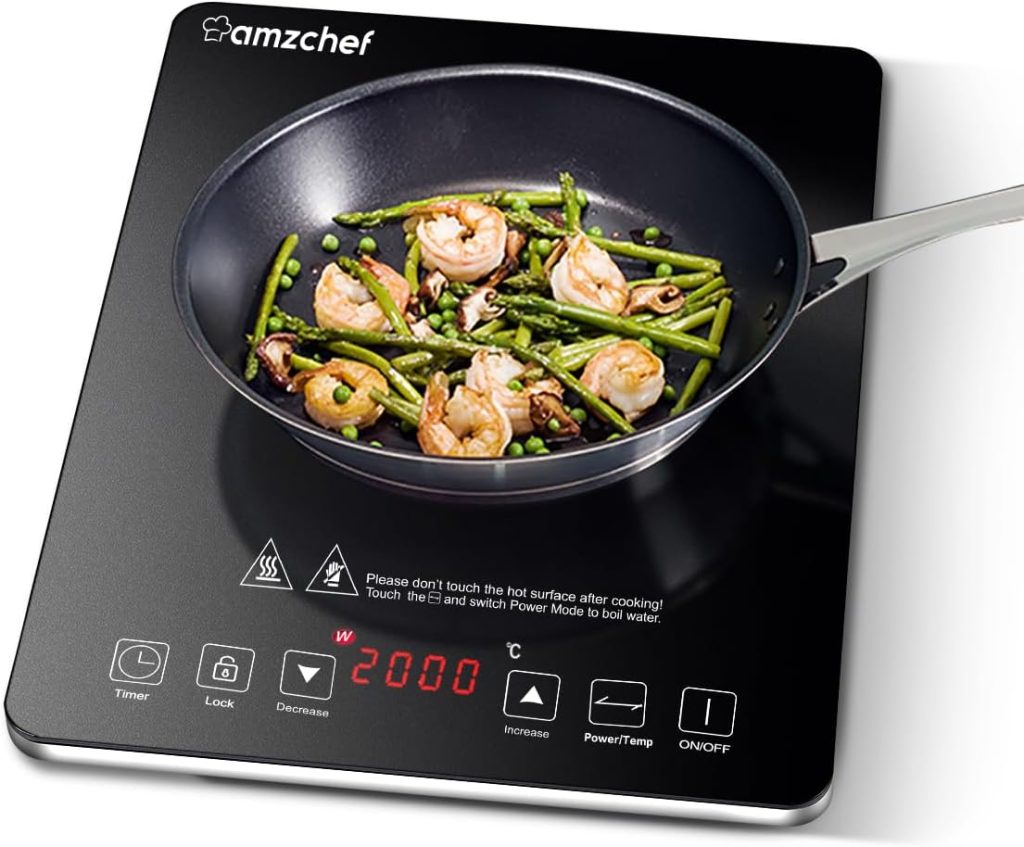
Did you know that traditional electric stoves can waste up to 80% of their energy just to cook your meals? That’s like watching your hard-earned money evaporate into thin air every time you step into the kitchen! If you’re like me and want to make smarter choices for both your wallet and the planet, then an induction cooktop might just be the game-changer you’ve been searching for. In this blog post, we’ll dive into the best induction cooktops available today, highlighting their energy efficiency, must-have features, and overall performance. Let’s embark on this journey together to discover how you can elevate your cooking experience while saving energy!

Understanding Induction Cooking
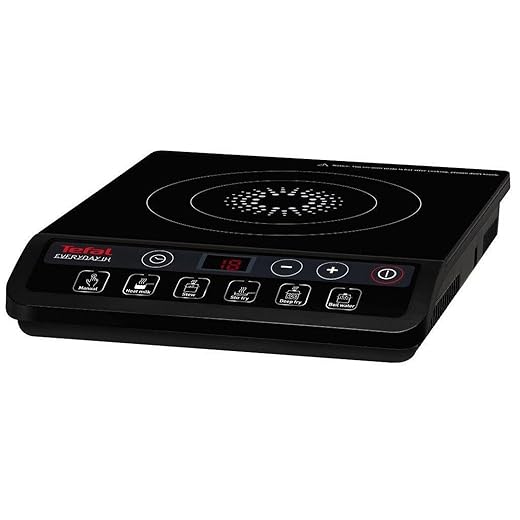
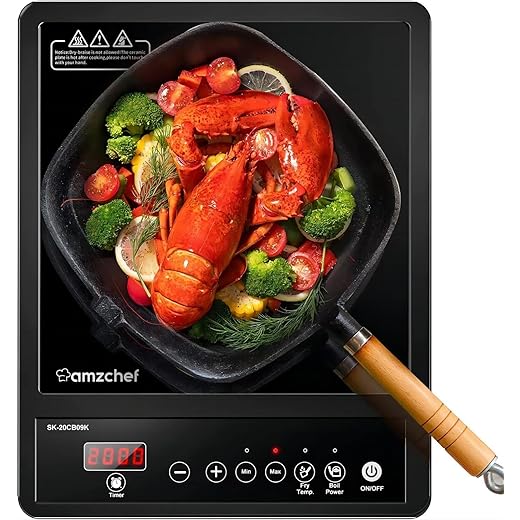
Induction cooking is rapidly emerging as a favorite among home chefs and cooking enthusiasts for its efficiency and speed. But what exactly is induction cooking, how does it work, and why is it more energy-efficient compared to traditional cooking methods? Let’s delve into these fascinating aspects!
How Induction Cooking Works
Induction cooking uses a unique form of heating that relies on electromagnetic fields to directly heat the cookware rather than the cooktop itself. Here’s how the process unfolds:
- Electromagnetic Induction: When you place an induction-compatible pot or pan on the cooktop and turn on the burner, a coil of copper wire beneath the glass surface generates an electromagnetic field.
- Direct Heating: This field induces an electric current in the base of the cookware. The material of the pot (usually cast iron or stainless steel) is non-reactive but conductive, allowing it to heat up rapidly and efficiently.
- Precise Temperature Control: The heat is produced directly in the pot or pan, which means that the cooktop stays relatively cool, thereby enhancing safety and preventing any wasted energy.
Fast and Responsive Cooking
One of the standout features of induction cooking is its impressive speed. For instance, the Bosch 800 Series 30-inch Induction Cooktop can boil water in just seconds, making everyday cooking tasks quicker and more efficient. While traditional gas stoves might take several minutes to achieve a rolling boil, induction cooktops can achieve similar results in a fraction of the time.
Energy Efficiency Explained
Induction cooking is renowned for its energy efficiency, primarily due to the way it utilizes electromagnetic fields. Here are some key points that highlight its efficiency:
- Direct Heat Transfer: Because the cooktop does not heat up like traditional methods, there’s minimal heat loss. Most of the energy created is absorbed directly by the cookware.
- Speed Equals Efficiency: The rapid heating abilities of induction means reduced cooking times, further decreasing overall energy consumption.
- Precise Observable Requirements: Precision settings, available on models like the GE Profile Series 30-inch Smart Induction Cooktop, allow users to fine-tune heat levels instantly without overcompensating or wasting energy on adjustments.
Comparison Table: Induction vs. Traditional Cooking
| Feature | Induction Cooking | Traditional Cooking |
|---|---|---|
| Heat Source | Electromagnetic induction | Flame or electric radiant heating |
| Efficiency | Up to 90% | 50-70% |
| Speed | Quick boiling, responsive heat | Slower and less responsive |
| Cooktop Temperature | Stays relatively cool | Can become very hot |
| Safety | Heat only when cookware is present | Potential for burns |
| Control | Precise settings, instant adjustments | Less precise, longer adjustment time |
Induction-Compatible Cookware
To take full advantage of induction cooking, it’s essential to use cookware that is compatible. Not all pots and pans will work with induction cooktops. Here are some popular options:
- All-Clad D3 Stainless Steel Cookware Set: This high-quality, triply bonded stainless steel set provides excellent heat conductivity and is induction-compatible.
- Lodge Cast Iron Skillet: Renowned for its durability and even heat distribution, this skillet is a fantastic addition for those who wish to utilize induction cooking.
Advantages of Induction Cooking
- Energy Savings: With its high energy efficiency, you save on utility bills.
- Safety: The cooktop remains cool to the touch, reducing the risk of accidental burns, which is especially beneficial if you have children around.
- Easy to Clean: Since the cooktop doesn’t get as hot as traditional methods, spills and stains can be easily wiped away. An example of this is the Samsung 30-inch Induction Cooktop, which features a sleek design that simplifies cleanup.
- Environmentally Friendly: Induction cooking uses less energy, which can translate to a smaller carbon footprint in your home.
In a world where cooking technology is constantly evolving, induction cooking stands out as a modern and efficient solution, seamlessly blending speed, safety, and energy efficiency, making it an excellent choice for anyone looking to enhance their culinary experience.
Factors to Consider for Energy Efficiency
When it comes to choosing an induction cooktop, understanding the factors that influence energy efficiency can help you make a smart decision for your kitchen and your wallet. Let’s delve into the key considerations including wattage, temperature control, cookware materials, insulation designs, and the Energy Star rating.
Wattage
Wattage is one of the primary indicators of how quickly and effectively an induction cooktop can generate heat. Induction cooktops typically range from 1,200 to 3,700 watts. Higher wattage means faster cooking times, which can lead to greater overall energy efficiency. Here’s a breakdown of some popular models:
- Bosch 800 Series – 36-inch model with 11,500 watts: Provides powerful heating and quick cooking times, ideal for families.
- Samsung NZ36K7880UG – 36-inch with 7,500 watts: Offers a balanced approach with good energy efficiency for smaller cooking tasks.
- Fagor Portable Induction Cooktop – 1,800 watts: Perfect for quick meals or as a secondary cooking surface, it heats up rapidly while minimizing energy use.
Temperature Control
Precise temperature control is another vital factor for energy efficiency. Induction cooktops offer rapid adjustments that allow for precise cooking. Consider the following brands and how they excel in temperature control:
- KitchenAid KICU509XSS: Features a Sensor Boil function that automatically adjusts the power to maintain a rolling boil without boiling over, which saves energy.
- GE Profile PHP9030SJSS: Has a “Power Boost” setting that allows you to rapidly heat up your pots or pans for quick meal prep, then dial back to perfect simmering.
Precise control not only means better cooking results but also ensures that energy is not wasted.
Cookware Material
The material of your cookware also plays a significant role in energy efficiency. For induction cooking, certain materials are more effective than others. Here’s what you need to know:
- Cast Iron: Conducts heat well and retains it, making it energy-efficient for slow cooking.
- Stainless Steel with a Magnetic Base: Ideal for induction cooking. Look for higher-quality options like All-Clad Stainless Steel Cookware for fast and even heating.
- Ceramic or Glass: Generally, these materials are not suitable for induction cooking unless they have a magnetic base component.
Insulated Designs
Insulated designs enhance energy efficiency by reducing heat loss during cooking. Some induction cooktops incorporate features that improve insulation:
- Frigidaire FGIC3067MB: Has an extra layer of insulation that keeps heat contained, resulting in less heat wasted around the cooktop.
- ZLINE 36″ Induction Cooktop PT36I: Features specially designed burners that minimize heat loss, allowing for energy savings.
Using cooktops with good insulation helps you save energy while ensuring safer cooking practices.
Energy Star Rating
The Energy Star rating is a certification that makes it easy to identify energy-efficient appliances. Induction cooktops that are Energy Star certified consume less energy without sacrificing performance. Check out examples of Energy Star-rated induction cooktops:
- Whirlpool WBIH120: This model not only offers excellent heating efficiency but also comes with an Energy Star label, indicating it meets strict energy efficiency guidelines.
- Electrolux E30IC75FSS: Another Energy Star-certified option, known for its reliability and energy-saving features.
The Energy Star label guarantees that you’re making a responsible choice for both your budget and the environment.
Summary of Key Points
| Factor | Details/Examples |
|---|---|
| Wattage | Higher wattage equals faster cooking and energy savings. – Bosch 800 Series: 11,500 watts – Fagor Portable Induction: 1,800 watts |
| Temperature Control | Precise adjustments lead to reduced energy waste. – KitchenAid KICU509XSS with Sensor Boil – GE Profile PHP9030SJSS with Power Boost |
| Cookware Material | Only ferrous materials work effectively for induction. – All-Clad Stainless Steel – Cast Iron for heat retention |
| Insulated Designs | Less heat loss means better efficiency. – Frigidaire FGIC3067MB – ZLINE 36″ Induction Cooktop |
| Energy Star Rating | Look for Energy Star-certified cooktops for energy savings. – Whirlpool WBIH120 – Electrolux E30IC75FSS |
Understanding these factors will not only ensure that you’re maximizing the efficiency of your induction cooktop but also enable you to enjoy a more cost-effective and environmentally friendly cooking experience.
Top Energy-Efficient Induction Cooktops
Induction cooktops are not only a marvel of modern cooking technology but also champions of energy efficiency. Unlike traditional gas or electric stoves which lose heat in the cooking process, induction cooktops transfer energy directly to the cookware. This results in faster heating and less wasted energy—benefits consumers are increasingly prioritizing. Here, we will dive into some of the best-rated induction cooktops available today, reflecting a variety of price ranges and features to suit different needs.
1. Bosch 800 Series 30-Inch Electric Induction Cooktop (Model HII8056U)
Specifications:
- Size: 30 inches
- Power Levels: 17
- Energy Efficiency: 84%
- Special Features: AutoChef, FlexInduction, SpeedBoost
Overview:
Bosch has established itself as a trusted name in kitchen appliances, and the Bosch 800 Series is no exception. It showcases an impressive energy efficiency rate of 84%. The FlexInduction feature allows for flexible pan placement, accommodating larger pots as needed. Additionally, SpeedBoost provides even faster heating for boiling water or searing meat.
User Reviews:
- Pros: Users praise the intuitive controls and the speed at which it heats up.
- Cons: Some mention a higher initial price but feel it’s justifiable through energy savings and durability.
2. GE Profile 30-Inch Built-In Touch Control Induction Cooktop (Model PHP9030DJBB)
Specifications:
- Size: 30 inches
- Power Levels: 9
- Energy Efficiency: Approx. 85%
- Special Features: SyncBurners, Precise Cooking Controls
Overview:
The GE Profile is designed with modern cookers in mind. With SyncBurners, you can control two elements at once for larger cookware, making it more efficient for dishes that require larger pans. Additionally, its precise control ensures that you can manage heat levels accurately, which translates to less wasted energy.
User Reviews:
- Pros: Many users have highlighted its sleek design and easy cleaning surface.
- Cons: A few have reported a learning curve to get used to all features.
3. Frigidaire Gallery 30-Inch Induction Cooktop (Model FGIC3067MB)
Specifications:
- Size: 30 inches
- Power Levels: 9
- Energy Efficiency: 87%
- Special Features: Even Temp, Auto Shutoff
Overview:
Frigidaire’s Gallery Induction Cooktop focuses on consistency and reliability. Its Even Temp technology ensures uniform heat distribution across your cookware, making it ideal for preparing various meals without any hot spots. Plus, with an Auto Shutoff feature, you can rest easy knowing that your cooktop will turn off after a period of inactivity, further enhancing energy savings.
User Reviews:
- Pros: Users enjoy its responsive touch controls and excellent performance.
- Cons: Some mention that the initial cost is a bit steep but well worth the investment.
4. Samsung 30-Inch Induction Cooktop (Model NZ30K7880US)
Specifications:
- Size: 30 inches
- Power Levels: 15
- Energy Efficiency: 83%
- Special Features: Virtual Flame Technology, WiFi Connectivity
Overview:
Samsung brings innovation to your kitchen with its 30-inch induction cooktop. Its Virtual Flame Technology gives you a visual representation of heat, mimicking gas flames, which many users find reassuring and helpful when cooking. The added WiFi connectivity allows for remote monitoring and control via your smartphone, although this feature is optional based on personal preference and tech-savviness.
User Reviews:
- Pros: Users love the modern look and innovative technology.
- Cons: A few find the price point high, but it’s often justified by the features offered.
Comparison Table
| Brand & Model | Size | Power Levels | Energy Efficiency | Special Features | Price Range |
|---|---|---|---|---|---|
| Bosch 800 Series HII8056U | 30 inches | 17 | 84% | AutoChef, FlexInduction | $1,500 – $2,300 |
| GE Profile PHP9030DJBB | 30 inches | 9 | Approx. 85% | SyncBurners, Precise Cooking | $1,200 – $1,800 |
| Frigidaire Gallery FGIC3067MB | 30 inches | 9 | 87% | Even Temp, Auto Shutoff | $1,000 – $1,500 |
| Samsung NZ30K7880US | 30 inches | 15 | 83% | Virtual Flame, WiFi Connectivity | $1,200 – $1,900 |
5. KitchenAid 30-Inch Induction Cooktop (Model KICU509XSS)
Specifications:
- Size: 30 inches
- Power Levels: 5
- Energy Efficiency: 90%
- Special Features: Melt Function, Thermal Cup
Overview:
The KitchenAid Induction Cooktop stands out with its excellent energy efficiency rate of 90%. It’s equipped with a unique Melt Function, allowing you to gently melt ingredients without the risk of burning them. Additionally, the Thermal Cup helps maintain ideal temperatures, making it suitable for delicate sauces or cooking tasks where precision is paramount.
User Reviews:
- Pros: Users love the gentle heating options and energy efficiency.
- Cons: Some wish for additional power levels for more versatility.
By exploring these top-rated energy-efficient induction cooktops, you can find the perfect model tailored to your cooking style and kitchen needs, helping you prepare meals faster while also cutting down on energy consumption.
Summarizing Key Findings for Optimal Energy Savings
In conclusion, selecting the best induction cooktop for energy efficiency is crucial for both your cooking experience and the environment. Throughout this post, we highlighted the top models that excel in energy efficiency, ease of use, and performance. Remember, an energy-efficient cooktop not only reduces your electricity consumption but also improves your cooking precision. Based on our analysis, I highly recommend considering brands that offer advanced features and reliable performance. I encourage you to reflect on your cooking habits and preferences to ensure you choose the perfect cooktop for your kitchen. Happy cooking!

14 comments
Skye
I read that induction cooktops can cook food faster than traditional methods, but how does that impact overall energy use? Is it really worth the switch?
Sloane
I recently switched to the Breville BSI201XL and my energy bills have definitely gone down! I love how quick it heats up. Anyone else have stories like this?
wpx_
Thanks for sharing your experience! Breville is known for its quality products, and it’s great to hear that you’re seeing savings on your bills. Any particular features you love the most?
Finn
Pro tip: Always use flat-bottom cookware for induction cooking! It makes a huge difference in efficiency and even cooking.
wpx_
Absolutely! Flat-bottom cookware ensures better contact with the cooktop and enhances energy efficiency. Thanks for sharing this tip!
Remy
Hey! Can anyone recommend a specific induction cooktop that’s super energy-efficient? I’ve been looking at a few options but would love some real user experiences!
Poppy
Can anyone share how induction cooking affects meal prep time? I’m always in a rush and need something that can keep up!
wpx_
Induction cooking is known for its speed! Many users report significantly shorter cooking times compared to traditional stoves, so it might just be the solution you’re looking for.
Lark
I just got the Duxtop 8100MC and I’m obsessed! It heats up super fast and doesn’t waste energy. Definitely a game-changer for my kitchen!
wpx_
Awesome to hear! The Duxtop is a solid choice for those looking to save energy while cooking efficiently. How’s the ease of use been for you?
Reese
I’ve heard mixed reviews about how induction cooktops can be noisy. Is that true? How do the top models stack up in terms of noise?
Blaze
I switched to the GE Profile PHP9030SJSS and it’s been fantastic! Super quiet and energy-efficient. Plus, the touch controls are a breeze!
Tessa
I’m curious about the safety aspect. Are induction cooktops really safer than gas? I’ve read conflicting things about that.
wpx_
Great question! Induction cooktops do tend to be safer since the cooktop itself doesn’t get hot, reducing burn risks. It’s always good to weigh the pros and cons!