
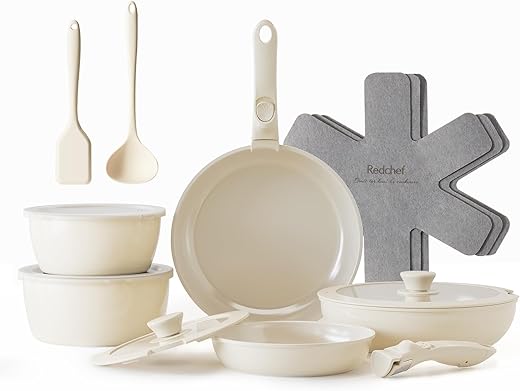
Welcome to our step-by-step guide on “How to Clean Non-Stick Cookware Properly.” We understand how frustrating it can be to deal with stubborn residue and scratches on your favorite pots and pans, especially when they promise effortless cooking. Proper cleaning is crucial not just for the maintenance of your non-stick surfaces, but also for the longevity of your cookware. In this guide, we offer simple, effective techniques that will help you restore your cookware’s shine and functionality, allowing you to enjoy stress-free cooking and clean-up. Let’s ensure your kitchen staples stay in top condition for all your culinary adventures!


1. Gather Your Cleaning Supplies
Gather your cleaning supplies before diving into the task. Collect a soft sponge or cloth, ensuring it’s free from any rough surfaces that could scratch your non-stick cookware. Make sure you have mild dish soap on hand, as it’s gentle yet effective in cutting through grease and grime. Fill a bowl or the sink with warm water, mixing in a small amount of the dish soap for optimal results. If your cookware requires more intensive cleaning, prepare a non-abrasive cleaner that is safe for use on non-stick surfaces. Always check the labels to ensure these products won’t compromise the coating.
Avoid using metal scrubbers or harsh chemicals during the cleaning process, as they can lead to irreversible damage to your non-stick pans. Instead, stick with the soft sponge or cloth to gently wipe away food residues and stains. Rinse and wring out your sponge frequently in the warm soapy water to maintain its effectiveness. After cleaning, rinse the cookware thoroughly under warm water to remove any soap residue, then dry it with a clean towel. This simple preparation will ensure you’re equipped for a successful and safe cleaning experience.
2. Cool Down the Cookware
Allow your non-stick cookware to cool completely after cooking. Set it aside on the stovetop or countertop for a few minutes until it reaches room temperature. Avoid placing it directly into cold water, which can cause the material to warp and diminish its lifespan. For example, if you’ve just finished frying eggs, let the pan sit for about 10 to 15 minutes before handling it. This simple step protects the non-stick coating and ensures your cookware remains effective for future meals.
Avoid immersing hot cookware in the sink. Instead, gently scrape any leftover food particles with a wooden or silicone utensil. Then, let the cookware cool naturally, which helps maintain its shape and integrity. If you’re in a hurry, allow it to rest on a heat-safe trivet rather than exposing it to drastic temperature changes. Remember, treating your non-stick cookware with care will keep it in great shape and enhance its performance for all your cooking adventures!
3. Wash with Mild Soap
Apply a few drops of mild dish soap directly onto a soft sponge or cloth. Choose a sponge that won’t scratch the surface of your cookware, as this helps maintain its integrity. Start scrubbing the cookware gently in circular motions, making sure to focus on any areas with stubborn food residue. The mild soap will help break down grease and stuck-on bits without damaging the material. This method is especially effective for non-stick and stainless steel cookware, as it cleans while preserving their finish.
Rinse the cookware thoroughly under warm water. This step is crucial to ensure that all soap is washed away. Hold the cookware at an angle to allow the water to flow over all surfaces effectively. If necessary, use the sponge or cloth to wipe away any remaining soap. Pay attention to corners and edges where residue may linger. Once rinsed, dry the cookware with a soft towel or let it air dry completely before storing it. This will help prevent any water spots or rust, keeping your cookware in top condition for your next culinary adventure.
4. Tackle Stubborn Residue
Sprinkle a bit of baking soda onto the stubborn spots or burnt-on food on the surface. Add a few drops of water to the baking soda to create a paste that has a crumbly consistency. This paste will act as a gentle abrasive, effectively loosening the residue without damaging the surface. For example, if you have a pot with dried pasta sauce stuck to the bottom, this baking soda paste can work wonders.
Gently scrub the area with a soft sponge, making sure to apply light pressure as you work in circular motions. This method will help lift away the baked-on residue without scratching the non-stick surface. After you’ve scrubbed away the stubborn spots, rinse the area thoroughly with warm water to remove any remnants of the baking soda. Avoid using abrasive pads or steel wool that could cause scratches; instead, always opt for soft sponges or cloths to maintain the integrity of your cookware.
5. Dry and Store Properly
After washing your non-stick cookware, dry it thoroughly with a soft cloth to prevent water spots and maintain its sleek appearance. Avoid using abrasive materials such as steel wool or scouring pads, as they can scratch the surface and compromise its non-stick properties. Gently wipe the interior and exterior of each piece, ensuring that no moisture remains. Taking this extra step not only helps keep your cookware looking new but also prolongs its lifespan by preventing any water-related issues.
Place a paper towel between stacked pans to protect their surfaces from scratches and dents. This simple action provides an extra layer of cushioning that keeps coatings intact. Store your non-stick cookware in a cool, dry place to maintain its condition and avoid any humidity that could lead to damage. Ensure that they are organized neatly, allowing for easy access when you are ready to cook. Regularly check your storage area and rearrange as necessary, so your cookware remains in prime condition for your culinary adventures.
Key Takeaways for Care
In conclusion, taking the time to clean your non-stick cookware properly can make a world of difference in its performance and longevity. By following the steps outlined in this post, you’ll not only preserve its non-stick qualities but also make cooking and cleaning much more enjoyable. Remember, a little care goes a long way, so treat your cookware well, and it will reward you with countless delicious meals for years to come!

13 comments
Buddy Bear
This was a solid guide! But could you maybe touch on maintaining non-stick pans over time? Like how to keep the coating in good shape? That’d be awesome!
wpx_
Thanks for the feedback! I can definitely cover maintenance tips in a future article. Regularly seasoning your pans with a little oil can help keep the coating in good shape!
Willow
I’ve had a great experience with my T-fal non-stick skillet! It’s super easy to clean, and I love how the food doesn’t stick. Anyone else have a favorite brand? Let’s share some love for our cookware!
wpx_
T-fal is definitely a popular choice! Thanks for sharing your experience! I’d love to hear about others’ favorites too!
Peanut
Can you recommend a specific mild soap that’s actually effective for cleaning non-stick cookware? I’ve tried a few, but nothing seems to work as well as I’d like. Thanks!
Starry
Thanks for your comment! For tough stains, I recommend using baking soda mixed with a little water to create a paste. Apply it to the stain, let it sit for about 15 minutes, and then scrub gently with a soft sponge. It works like a charm! Good luck!
Sprout
I’ve always wondered about the best way to store non-stick pans to avoid scratches. Maybe you could add a section on that in your next guide? It’d be super helpful!
wpx_
Great idea! Storing non-stick pans with a soft cloth or paper towel in between can help prevent scratches. I’ll definitely consider adding a section on storage in future guides!
Pudding Pop
Hey, great guide! But do you have any advanced tips for really tough stains? Sometimes I feel like I need a secret weapon! Any special products or methods that work wonders? Thanks!
Bubbles
So I followed your steps, but I still had some residue left on my pan. I’m not sure if I scrubbed too hard or what. Any troubleshooting tips for that? I feel like I might be doing something wrong!
wpx_
Sorry to hear you had trouble! It might help to soak the pan in warm, soapy water for a bit longer before scrubbing. Also, make sure to use a non-abrasive sponge to avoid damaging the surface. Give that a shot!
Doodle
What about cleaning non-stick cookware in the dishwasher? Is that a no-go? I’ve heard mixed things and would love your thoughts on it!
wpx_
Good question! While some non-stick cookware is dishwasher safe, it’s best to check the manufacturer’s guidelines first. Hand washing is generally recommended to prolong the life of the coating. Hope that helps!