
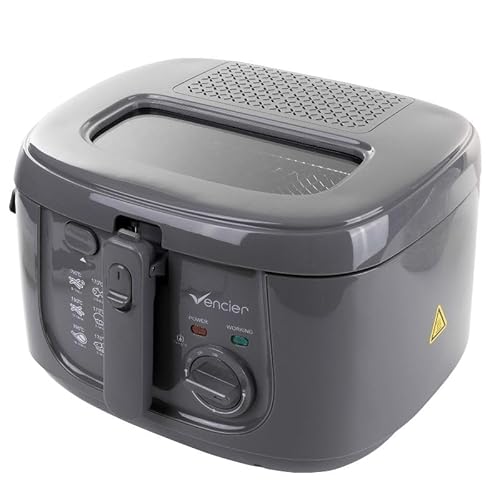
Why I Wrote This Guide and How It Will Help You
I put safety first because I have seen what can go wrong with countertop fryers. Simple mistakes, poor design, or cheap parts can lead to burns, fires, and ruined kitchens. I want you to avoid that.
I test appliances with a practical, hands-on approach and focus on features that actually reduce risk. This guide gives clear criteria, a detailed checklist, and real-world buying tips. You’ll get a step-by-step decision flow so you can choose a fryer that fits your cooking style and keeps your home safe.
Read on for no-nonsense advice, visible signs of quality, and emergency prep steps that work. I write plainly so you can compare models quickly, spot real safety features, and feel confident at the store.


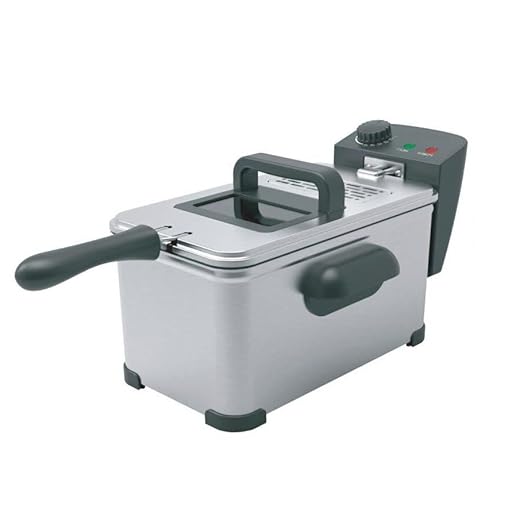
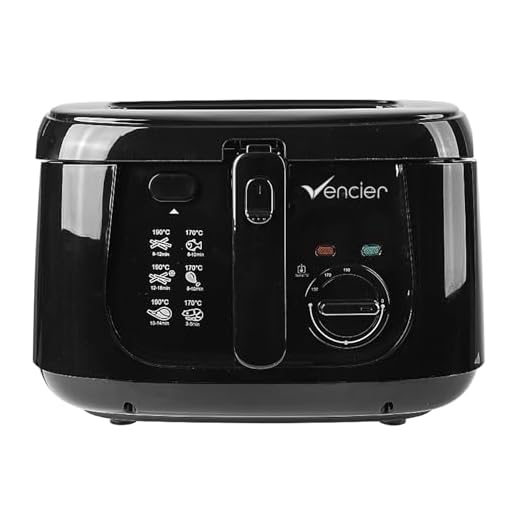
Understanding the Risks: What Can Go Wrong and Why Safety Features Matter
Common hazards I watch for
I’ve seen countertop fryers do real damage: a forgotten batch overheats and smokes, oil splatters from wet food, or a loose cord sparks an electrical short. In one case I inspected, oil overflowed when someone used too large a basket — the hot oil hit the element and caused a small kitchen fire. Those moments are fast; safety features slow things down or stop them altogether.
Typical failure points (and what happens)
- Hot oil splatters and steam — cause severe burns and scalding.
- Oil overflow during heating or when adding wet food — creates fire risk and slipping hazards.
- Overheating or thermostat failure — oil can reach flash point and ignite.
- Electrical faults or poor insulation — shocks or short-circuit fires.
- Poor design (unstable base, flimsy handles) — spills and contact burns.
How safety features map to real risks
- Lids, splash guards, and basket hooks reduce splatter and limit burn exposure.
- Reliable thermostats and over-temperature cutoffs stop oil reaching dangerous levels.
- Cool-touch exteriors, long insulated handles, and stable feet prevent accidental contact or tipping.
- Sealed heating elements or protected coils reduce direct oil-to-element contact, lowering ignition chances.
- Auto shutoff/timer features reduce human error when you get distracted.
Quick, actionable precautions I always follow
- Never overfill; follow the max-fill line.
- Dry food thoroughly before frying and add it gently.
- Place the fryer on a flat, heat-resistant surface and keep a clear perimeter.
- Keep a Class K (or correct) fire extinguisher nearby and never use water on an oil fire.
These are the everyday dangers and the exact features that blunt them — prioritize those when you compare models.
Essential Safety Features to Look For (A Detailed Checklist)
I prioritize safety features the moment I start comparing models. Below I break them into non-negotiable items first, then helpful convenience features and common trade-offs so you can choose what fits your routine.
Non-negotiables — features I won’t compromise on
- High-accuracy thermostats and temperature cutoffs
What it is: a thermostat that keeps oil at a precise setpoint and an over-temperature cutoff that kills power if the oil gets too hot.
What to look for: temperature range with ±5°F (±3°C) accuracy listed, and explicit mention of automatic cutoffs or thermal fuses. - Automatic shutoff and overheat protection
What it is: systems that switch power off when timers expire or sensors detect unsafe temps.
What to look for: wording like “auto shutoff,” “overheat protection,” or “thermal fuse.” - Sturdy locking lids and viewing windows
What it is: lids that lock to prevent accidental opening and tempered glass or high-temperature plastic windows for monitoring.
What to look for: “locking lid,” durable hinge hardware, and scratch-resistant/tempered glass. - Splash guards and cool-touch exteriors
What it is: barriers and insulating materials that reduce oil splatter and prevent exterior heat transfer.
What to look for: labeled “cool-touch,” double-wall construction, or integrated splash guards. - Secure lid locking and drainage systems
What it is: controlled drainage that keeps you away from hot oil and locking lids that don’t pop open under pressure.
What to look for: spouts, drain valves, or removable oil containers designed for safe emptying. - Quality handles and baskets
What it is: long, heat-resistant, well-anchored handles and baskets that hook to rest safely.
What to look for: stainless steel baskets, riveted or welded handles, insulated grips, and basket hooks. - Anti-slip feet and a stable base design
What it is: a low center of gravity and grippy feet to prevent tipping.
What to look for: wide base, rubberized feet, and overall solid weight. - Clear oil-level indicators
What it is: visible min/max marks to prevent overfill.
What to look for: etched or embossed marks visible from outside the unit. - Fail-safe electrical designs (grounded plugs & sealed heating elements)
What it is: grounded three-prong plugs, strain reliefs on cords, and sealed or protected heating elements to avoid contact with oil.
What to look for: “grounded plug,” “sealed element,” and marked cord-grommet protections.
Nice-to-haves that improve safety indirectly
- Removable oil containers and drip trays for safer draining and storage.
- Dishwasher-safe baskets and lids to reduce grime buildup that can hide faults.
- Timers with audible alarms (reminds you to check food).
- Built-in oil filters or filtration baskets that make reuse cleaner.
Common trade-offs I warn people about
- Removable heating elements: easier to clean but sometimes less sealed than fixed elements.
- Large viewing windows: great for monitoring, but glass adds weight and a potential weak point.
- Compact units: portable but often lack the thermal mass that stabilizes temperature.
Next, I’ll show how to verify these claims and spot marketing fluff in the product specs.
Materials, Construction, and Design: How I Judge Build Quality for Safety
Stainless steel vs. plated metals
I always favor true stainless-steel wells and exteriors over thin chrome- or nickel-plated sheet metal. Stainless resists corrosion, won’t flake into oil, and tolerates heat without warping. I once returned a cheap fryer whose plated casing bowed after a single high-heat batch — not worth the risk.
High-temp plastics and insulated handles
Handles, knobs, and lids should use high-temperature plastics or silicone that stay cool and don’t deform. Look for long, anchored handles (not glued) and double-wall lids that reduce surface heat transfer.
Exposed vs. sealed heating elements
Sealed or recessed heating elements are far safer than exposed coils that sit in oil. Sealed elements reduce the chance of shorting, oil ignition, and difficult-to-clean hotspots.
Baskets, fastenings, and build joins
I prefer welded or well-riveted baskets over tack-welded, flimsy wire racks. Check for smooth welds and no gaps where oil can trap food. For body seams, continuous welds beat spot seams that can split over time.
Electrical connections and cord quality
Grounded three-prong plugs, molded strain reliefs, and no visible wiring are non-negotiable. Avoid units with flimsy snap-on cords or cords routed near hot surfaces.
Quick physical checks I perform
- Examine seams and welds for gaps or rough edges.
- Open and close the lid: it should seat firmly with solid hinges.
- Shake the basket lightly to test handle anchoring and hooks.
- Inspect cord entry for a molded grommet and firm strain relief.
- Feel metal thickness—thin cookware-grade sheet that flexes is a red flag.
Size, footprint, and kitchen fit
Bigger fryers are more stable and less likely to tip, but they hold more hot oil—raising spill risk in a small kitchen. I check clearance from backsplash, easy access to a sink, and whether the cord points away from work zones.
Next, I’ll walk through how to verify manufacturer claims and certifications so you’re not buying marketing copy.
Certifications, Standards, and Test Claims: How I Verify What’s Real
When I shop, I treat certification marks and lab-test claims like proof, not promises. Below I demystify common approvals, what independent testing actually covers, and exactly how I verify a claim before I trust it with hot oil and my kitchen.
Which marks I trust (and why)
I look first for independent safety listings:
- UL or UL EPH (US) — product or component listings help confirm electrical/safety testing.
- ETL (Intertek) or CSA (Canada) — equivalent, third‑party verifications.
- CE / UKCA — required in EU/UK; show conformity but vary in enforcement.
- TÜV, SGS — reputable labs that publish test reports on request.
For induction or wireless controls, I check FCC or relevant EMI declarations to ensure no interference with smoke alarms or nearby electronics.

What lab testing usually covers — and what it doesn’t
Typical test reports prove: electrical safety, ground integrity, overheating cutoffs, insulation, and sometimes mechanical stability. They rarely cover day‑to‑day failure modes like poor welds, oil degradation behavior over years, or label durability — that’s where build‑quality checks matter.
How I verify claims — step by step
- Find the exact model number and search UL Product iQ or ETL/Intertek directories.
- Ask the seller for a Certificate of Compliance or a full test report (date, lab name, scope).
- Compare the spec sheet to the report: test voltage, current, and model revision must match.
- If only “tested” or “meets standards” is shown, ask which standard (e.g., UL 197 for commercial fryers) and for proof.
Red flags I never ignore
- No model-specific certificate, vague wording, or photos of a generic test stamp.
- Certificates lacking lab name, test date, or model ID.
- Claims that mix component approvals (heater only) as a whole‑unit listing.
If a certification matters to you, request the document — a legitimate seller will provide it.
My Step-by-Step Buying Checklist and Decision Flow
I use a short, prioritized flow when I shop — it keeps decisions rational when a sleek model tempts me at checkout. Below are the exact steps I follow.
Step 1 — Define your real cooking needs
- Capacity (single portions, family meals, batch frying): I choose 2–3L for solo use, 4–6L for a family of four, and 8L+ if I want to do party batches or recurring use.
- Frequency and intensity: daily cooks push me to professional/industrial components; occasional use lets me prioritize size and price.
- Footprint and storage: measure counter and storage space before falling for a large unit.
Step 2 — Filter by absolute must-have safety features
- Reliable adjustable thermostat with clear tampers and temperature lock.
- Auto shutoff / high-temperature cutoff and warning lights.
- Secure locking lid, cool-touch surfaces, and tilt-over protection.
- Sturdy non-slip feet and cord-management.

Step 3 — Compare build, certifications, and safety reviews
- Inspect materials (stainless fry tubs, solid welds), cord gauge, and hinge quality.
- Verify model-specific UL/ETL/CSA entries and ask sellers for certificates.
- Read reviews focused on “smoke,” “fire,” “short,” or “malfunction” — one or two reports are warning signs.
Decision matrix template (quick)
- Create rows: Thermostat reliability, Auto-shutoff, Lid design, Price, Footprint.
- Assign weight 1–5 to each, score 1–5 per model, compute weighted scores and total.
Example: Thermostat (5×4=20), Auto-shutoff (5×5=25), Price (3×3=9) → higher total wins.
Practical buying & negotiation tips
- Ask for certificates, test reports, spare parts availability, and a 30–90 day return window.
- Negotiate for an extended warranty or free replacement parts if you plan heavy use.
- I pick higher-end models when I want lower long-term risk and simpler repairs — I’ve found paying ~20–30% more often saves stress later.
Next, I’ll walk you through safe installation, everyday use, maintenance, and how to prepare for emergencies.
Safe Installation, Everyday Use, Maintenance, and Emergency Preparedness
I’ve found that the smartest safety improvements happen before the first fry — thoughtful placement, simple routines, and predictable maintenance turn risky moments into habits.
Installation & electrical basics
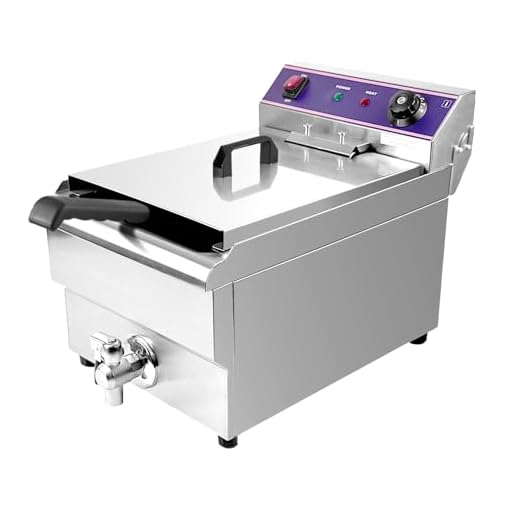
Place the fryer on a level, heat-resistant surface at least 12 inches from cabinets, curtains, or wooden walls. Avoid under low shelves; I keep mine under a hood or in a well-ventilated spot. Use a dedicated outlet — no extension cords — and if your counter is near water, plug into a GFCI-protected circuit. Check the cord gauge and avoid tucking the cord where someone might trip.
Safe filling and heat-up routine
Always observe the min/max oil lines. I fill cold oil to the max line, start the fryer empty (no food), and preheat to the target temp before adding anything. Pat frozen or wet items dry; I once had a violent spatter from damp batter — a quick lesson in patience. Lower baskets slowly to prevent splashes.
Avoiding overflow and family safety
To prevent overflow, never exceed the fill line, don’t overcrowd the basket, and add food in small batches. For homes with kids/pets:
- Create a 3-foot no-go zone around the fryer.
- Keep controls and cords out of reach.
- Use back counter placement and secure the unit away from edges.
Maintenance that preserves safety
Clean oil filters and fry tubs after each use to prevent build-up. Inspect seals, lids, and the power cord weekly. Replace oil when it darkens, smells rancid, or smokes below normal frying temp — typically after 6–10 uses for home use (sooner for breaded foods). Store dry and covered; remove and store oil in sealed containers if not used for weeks.
Emergency preparedness: fires and safe disposal
Never use water on a grease fire. If a small flare-up starts, smother it with the metal lid or a fire blanket, or use a Class K (best) or an ABC-rated extinguisher from a safe distance. For large fires, evacuate and call 911. After an incident, let oil cool fully before pumping or decanting into a sealed can; never pour it down drains — take it to a recycling or hazardous-waste center.
Next, I pull these practical rules together so you can choose a fryer that fits your routine.
Bringing It Together: How I Choose a Countertop Deep Fryer That’s Truly Safe
I prioritize a few non-negotiables: reliable overheat and automatic shutoff, sturdy lid and splash protection, thermal cutouts, and solid, insulated construction. I verify certifications and clear test claims, use my checklist to compare models, and favor proven materials and accessible parts, and basic common-sense precautions. Installation, routine cleaning, and practicing emergency steps are part of the purchase, not optional extras.
A little extra attention — and sometimes a higher price — buys predictable safety and more enjoyable frying. Use my checklist as a starting point, adapt it to your needs, and buy with confidence knowing safety pays off every time.

30 comments
Priya Kapoor
Love the deep dive into certifications. One thing I’d add: size vs counter space is a pain. The HomeTronix 3.5L and the Russell Hobbs 4.3L Satisfry (technically an air fryer) are often sold as “compact” but still hog a surprising amount of real estate.
I’d love a short table in the article (or a small graphic) that compares footprint, oil capacity, and whether the basket is dishwasher-safe. Also — are there any real downsides to the Vencier 2.5L Black model besides aesthetics? I saw it listed and wondered if the finish affects heat dissipation or cleaning.
Zoe Kim
Agree on dishwasher-safe baskets. I once ruined a fryer basket cleaning it by hand — now I specifically look for detachable, dishwasher-proof parts.
DanCC
Great suggestion — a footprint/off capacity table would be handy. On the Vencier black finish: usually just cosmetic. If it’s a painted or powder-coated exterior, check reviews for chipping. The key is insulation and venting; color doesn’t change safety much unless coating degrades.
Miguel Santos
Black models can hide stains but show scratches. Functionally the same though. If you’re picky about wear, stainless steel finish usually holds up better.
James ONeil
Also check how tall the lid is — if you have cabinets above your counter, some lids need clearance to open fully.
Ellen Wright
About footprints: measure your counter depth and outlet placement. Some fryers have cords that come out awkwardly and you end up placing them near the edge — risky.
James ONeil
Nice write-up. Quick question: you mentioned Commercial 16L Electric Pressure Fryer 3000W Stainless and MOOTACO 17L as examples — for a small bistro, are pressure fryers worth the extra safety training? They look… intense.
DanCC
Short answer: pressure fryers are efficient but require stricter protocols. They operate under pressure and at large volumes, so staff training, regular maintenance, and a proper hood/extinguisher setup are essential. If you run a small bistro, factor in training and service contracts.
Connor Blake
I work in a cafe — we switched to a small commercial fryer and yes, we had a 1-hr training session and a checklist for daily/weekly checks. Worth it for capacity, but don’t underestimate the liability if staff cut corners.
Connor Blake
Short n’ sweet: build quality matters. Cool-touch handles, solid basket click-in, and no loose seams are what I look for. Bought the Vencier 2.5L Black and the handle felt sturdy out of the box. Tiny typos in the product Q&A tho — be careful reading user questions 😅
Miguel Santos
If you’re into aesthetics, black models look slick but may show fingerprints. Function first, looks second for appliances that hold hot oil.
DanCC
Thanks for the quick checklist, Connor. Loose seams can hide oil and gunk which is both a hygiene and safety issue. Good catch on Q&A typos — always validate with the manual or manufacturer site when possible.
James ONeil
Also check the plug type and cord length. I had to move my fryer because the cord barely reached the outlet — not safe to stretch it.
Ellen Wright
Good article — I appreciated the certifications section. Can you clarify how to verify ETL vs UL vs CE claims on Amazon listings? Sellers sometimes slap logos in images but don’t actually have a file number or listing. How did you recommend checking those test claims?
Zoe Kim
When in doubt, check the manual PDF linked on the Amazon page — certified units usually include the cert mark and number in the manual.
DanCC
Great question. I recommend asking the seller for the certification file number and checking it on the certifier’s database (ETL/Intertek, UL, TÜV etc.). If they can’t provide documentation, treat the claim skeptically. Also look for test reports or lab references in the manual.
Sarah Miller
Really appreciated this guide — feels like the kind of no-nonsense breakdown I needed. I’ve been torn between the Vencier 2.5L and the LIVIVO 2.5L for my tiny kitchen. Your checklist helped me spot that the Vencier I was looking at didn’t clearly list an automatic cut-off.
A few quick notes from someone who fries too much: I care about a cool-touch exterior, secure lid, and a thermostat that actually keeps temp steady. Also — removable oil tank = game changer for cleaning. Thanks for the step-by-step buying checklist, saved me from a dumb impulse buy 😅
DanCC
Thanks, Sarah — glad the checklist helped. Between the two 2.5L models you mentioned, check whether the manufacturer lists overheat protection and a detachable oil container. Those two features are the biggest practical safety + cleanup wins for small units.
Priya Kapoor
If you want steadier temps, avoid models that only advertise a single “high/low” knob. Digital thermostats (even simple ones) tend to keep oil temps more consistent — less smoking and fewer surprises.
Miguel Santos
Totally agree on removable tanks. I had a cheap fryer where the oil went everywhere when I tried to pour it out — never again. Also look for a cool-touch handle on the basket, not just the lid.
Zoe Kim
Thanks for covering emergency preparedness. Quick question for the group: what type of fire extinguisher is best near a countertop deep fryer? I remember class K is recommended for kitchen grease fires, but most home extinguishers are ABC. Should I get both? Also — any tips for what to do if oil ignites (besides call 911)?
DanCC
Correct: Class K is ideal for commercial kitchen grease fires; for homes, a Class B or a wet chemical extinguisher is more effective than a general ABC for grease. Important: do NOT use water on oil fires. If the fire is small and you can do so safely, turn off heat and cover the fryer with a metal lid to smother flames. Otherwise evacuate and call emergency services.
Ellen Wright
For home use, a fire blanket is also a good, inexpensive addition. But learn how to use it safely first — practice the motions without a fire!
Miguel Santos
And don’t forget to unplug the unit if it’s safe to do so. Removing the power source can prevent flare-ups in some cases, but only attempt if you aren’t putting yourself at risk.
Priya Kapoor
I keep a metal baking sheet handy to slide over a small pan fire. Worked once to smother the flames before they spread. Still, call the pros if it’s anything beyond tiny.
Miguel Santos
Air fryer vs deep fryer debate aside (I like both), the section on “What Can Go Wrong” had me lol-ing and cringing.
My main gripe: cleaning. If the oil tray isn’t easy to remove, you’ll procrastinate and then get a rancid oil nightmare. The Russell Hobbs Satisfry is great for less oil, but it’s not a deep fryer — different safety profile. Also, pressure fryers (Commercial 16L, MOOTACO) — do NOT try to MacGyver a fix. 🔥
Connor Blake
If anyone’s worried about splatter, look for models with a viewing window that lets you check color without opening the lid. Small thing, big help.
Sarah Miller
Agreed about procrastination. I set a weekly reminder on my phone to filter & store oil. Makes a huge difference in smell and safety.
Priya Kapoor
Tip: line up a cheap silicone mat under the fryer when you change oil — catches drips and saves you from scrubbing the counter for hours.
DanCC
Exactly — maintenance matters as much as hardware. A safe fryer that’s never cleaned becomes unsafe fast. And yes, no DIY fixes on pressure fryers; leave those to certified techs.