
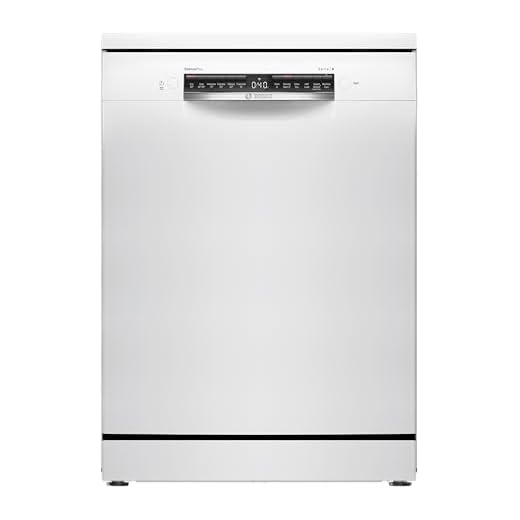
Why I Needed a Truly Quiet Dishwasher for Open-Plan Living
Was I ready to live with the hum of a dishwasher at dinner? Not anymore. I have an open-plan kitchen and living area where noise travels and conversations.
I set out to find a truly quiet dishwasher without giving up cleaning power, energy efficiency, or a look that fits my space. This article shares what I learned: how noise affects open-plan living, the specs I trusted, real-life tests I ran (you can try), and the installation trade-offs I accepted.
If you want practical recommendations and steps that worked, read on.


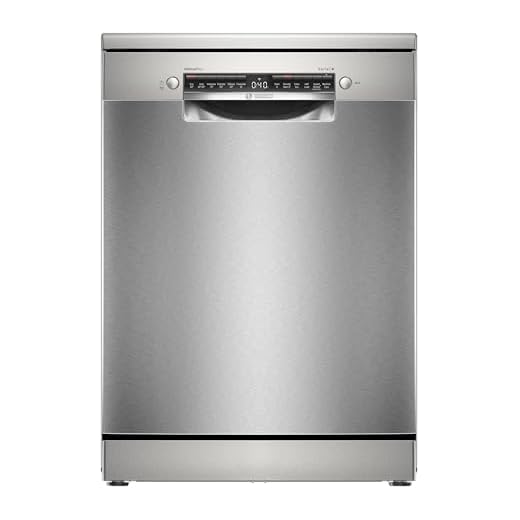
How Noise Impacts Open-Plan Spaces and What I Learned About Listening
How sound behaves in open-plan layouts
In my apartment the kitchen, dining and living areas are one big room — hard floors, bare walls, and a low ceiling. Sound doesn’t just travel; it bounces and fills the whole space. That meant tiny differences in dishwasher noise that would be irrelevant in a closed kitchen suddenly became noticeable during dinner or when someone was on a call. I learned to listen for how sound spreads: direct noise (right next to the machine) and reflected noise (the same sound returning from a wall a half second later), which makes appliances feel louder than their spec sheet suggests.
The difference between a steady hum and intermittent spikes
A continuous, even hum is easier to tune out than random clanks or short high-frequency spikes. For example, two machines might both be rated ~44–46 dB, but one has a gentle motor whirr while the other punctuates the cycle with spray-arm impacts and pump clicks — the latter breaks my focus. In real life I found the machine with the smoother frequency profile felt 5–8 dB quieter even when the meter said otherwise.
Lifestyle factors that changed my tolerance
My tolerance shifted depending on context:
- Working from home: needed near-silent operation during morning meetings.
- Babies/naps: occasional spikes were more disruptive than a low-level hum.
- Entertaining: dishwasher noise during conversation was a social annoyance.
Practical listening and quick tests you can do
- Stand where you actually sit (sofa/dining chair) and run a short rinse cycle; note whether the sound is constant or intermittent.
- Listen during a phone call or TV show — does it mask speech?
- Test different cycles: eco, intensive, short wash — some machines only get noisy on heavy cycles.
- Check for specific features: brushless inverter motor, extra insulation, anti-vibration feet.
These listening habits taught me what to look for beyond decibel numbers — next I’ll explain how to decode those specs and which ones I trusted when narrowing my shortlist.
Decoding Noise Ratings and Other Specs I Trusted
Making sense of decibels in the real world
Manufacturers quote dB(A) numbers, but context matters. dB is logarithmic: a 3 dB drop is barely noticeable, ~5 dB is clearly perceptible, and ~10 dB feels about twice as loud. Also watch for the test conditions — is the rating for an “eco” cycle, measured at 1 m on an open test bench, or installed under a counter? I treated any single dB figure as a starting point, not a promise.
Why frequency and spikes matter more than a raw number
Two 44 dB machines can feel very different if one has high-frequency pump clicks or spray-arm impacts. I learned to prefer machines with a smooth, low-frequency hum over those with intermittent spikes; the former disappears into the background faster.
Specs I prioritized and why
- Motor type: brushless/inverter motors run smoother and cooler, with fewer mechanical noises.
- Insulation: thicker multi-layer foam or polyester blankets plus a solid inner door reduce airborne noise.
- Pump/design: quieter, balanced pumps and well-secured spray arms minimize vibration and impact noises.
- Anti-vibration: rubber mounts, decoupled panels, and stabilizing feet cut structure-borne noise.
- Cycle length vs noise: longer “eco” cycles often run quieter — the trade-off is time, not necessarily cleanliness.
How I vetted spec sheets and vendors
When reading specs or talking to salespeople I asked:
- “Which cycle produced this dB rating and at what distance?”
- “Is the motor inverter/brushless, and can you name the motor model?”
- “What insulation materials and thickness are used?”
- “Can I hear a short audio/video demo of this exact model running on standard and intensive cycles?”I also checked independent reviews and forum recordings—real users often post audio clips that reveal spikes or rattles not on spec sheets.
These checks helped me narrow from many candidates to a handful worth testing in my apartment — next I’ll describe how I ran practical in-home tests to confirm what the numbers promised.
How I Tested Dishwashers in Real Life (and Tests You Can Do Yourself)
In-store listening strategies (what actually works)
Stores often won’t run a full cycle, but you can still learn a lot. I asked for short demos on both “eco” and “intensive” settings, watched for pump and drain sounds, and recorded short clips with my phone (many stores allow video). When a full run wasn’t possible I asked for audio/video from the manufacturer or recent buyer reviews. For quiet-reference models I compared things like Bosch 800 Series and Miele G‑7000—both known for low hums rather than bangs.
How I measured sound (simple, repeatable)
I used a smartphone sound meter app (Decibel X / NIOSH SLM / similar) for relative comparisons, not absolute certification. Key rules:
- Place the phone 1 m from the dishwasher door and another at the main seating position.
- Start the same cycle on each machine (eco, normal, heavy) and log readings at start, mid-cycle, and drain.
- Use a switched extension or smart plug to start the machine from the seating area so you don’t change room noise by walking into the kitchen.
The hands-on checklist I followed
Start/idle noise: noise during motor spin-up and while idling between spray cycles.
Peak events: record draining, pump primes, and spray-arm collisions—these are the moments you notice.
Rack loading differences: run one cycle half-loaded and one full; overloaded racks can rattle.
Ambient interaction: repeat a run with TV on at normal volume and with conversation to see masking effects.
Vibration transfer: feel cabinet fronts and nearby table tops during peak events—structure-borne noise travels.
Start phone at 1 m from machine and at seating position.
Run full cycles (or long demos) and note dB spikes and timestamps.
Use the same outlet/control setup to keep tests consistent.
Practical constraints I navigated
Demo policies sometimes block full tests, so I invited friends to listen from the sofa during a home trial, and I borrowed a neighbor’s machine once to compare side-by-side. Those real-world listens—recorded and replayed—made the difference between a spec sheet winner and the one I actually wanted.
The Trade-Offs I Accepted and Practical Steps for a Quiet Installation
What I prioritized — and what I gave up
I focused on features that actually reduce audible noise: an inverter brushless motor, extra internal insulation, and soft-start/quiet cycles. I also picked brands with good service networks and replaceable parts — that’s worth paying for in the long run.
The compromises I accepted:
- Higher upfront cost for a quieter, longer-lived machine.
- Longer eco/quiet cycle times (I traded speed for a 3–6 dB drop in perceived loudness).
- Choosing models known for serviceability (Bosch, Miele, AEG) rather than bargain-only brands.
Step-by-step installation tips that made the biggest difference
- Level precisely: adjust feet until the door closes without binding; I used a torpedo level and rechecked with a full rack installed. Even 2–3 mm tilt raises vibration.
- Anti-vibration pads: place dense rubber pads under the front feet and the back supports. They cut structure-borne noise dramatically.
- Cabinet isolation: leave a small gap (5–10 mm) between cabinetry face panels and the dishwasher; clamp-mounting directly to wood transmits more noise.
- Seal air gaps: foam tape around the top and sides stops rattle and keeps air-borne noise from escaping into living areas.
- Hose and drain routing: avoid tight kinks; secure hoses so they don’t hit framing and create sympathetic vibrations.
- Seating placement: I moved the sofa ~1.5–2 m from the appliance and added a wool rug and cushions between kitchen and seating — soft surfaces do more masking than you expect.
Maintenance and smart buying moves
- Monthly: rinse filters and run a hot rinse to prevent pump strain.
- Quarterly: check and tighten shock absorbers, spray-arm mounts, and door hinges.
- Before buying: check warranty length, what it covers (motor and parts), and ask for an in-home demo or temporary trial where possible. I demanded a home demo and it saved me from a misleading floor-model impression.
Next, I’ll share how the quieter dishwasher actually changed day-to-day life in my open-plan home.
How My Quiet Dishwasher Changed My Open-Plan Life
I summarize: listening to sound character and prioritizing proper installation mattered as much as low dB ratings. My practical steps: choose a machine with soft-frequency sound, test in place, add isolation pads, and seal cabinetry. The result was a noticeable drop in disruption and more usable living space.
You can achieve this too — small changes, big impact. Ask me questions about my tests or your layout and I’ll help troubleshoot anytime.