

Have you ever wondered that nearly 20% of all food produced in the world goes to waste? That’s a staggering statistic, but it highlights the importance of preserving food in smart ways. If you’re searching for a solution that not only extends the life of your favorite produce but also locks in flavor and nutrition, you’re in the right place! Dehydrating food is a fantastic method that allows you to enjoy delicious snacks and meals long after they’re harvested. In this post, I’m excited to share with you some effective tips on how to prepare food for dehydrating, ensuring you achieve the best taste and texture. Let’s get started on this satisfying journey to food preservation together!


Understanding Dehydration
Dehydration is an ancient method of food preservation that continues to be highly valued today. By removing moisture from food, we can help ensure a longer shelf life and maintain the flavor and nutrients of the ingredients. In this section, we’ll explore how the dehydration process works, the scientific principles behind moisture removal, and why this method is so effective.
The Dehydration Process: How It Works
At its core, dehydration is all about moisture removal. When water is removed from food, it significantly reduces the chances of microbial growth, which is a primary factor in food spoilage. Here’s how the process unfolds:
- Heat Application: Dehydrators use gentle heat to drive moisture out of food. The low-temperature drying keeps sensitive nutrients intact while efficiently eliminating water.
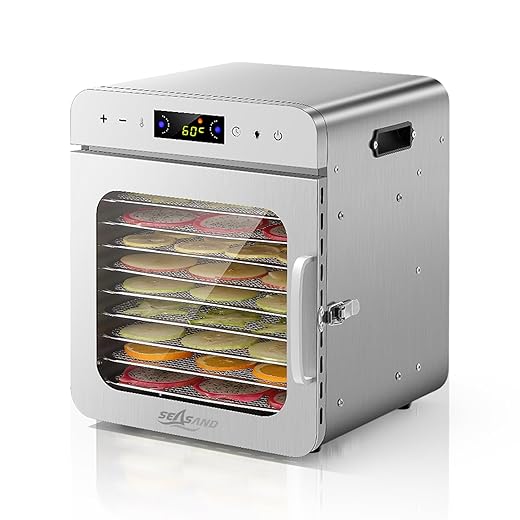
- Air Circulation: Most dehydrators, such as the Excalibur 3926TB or the Nesco Snackmaster Pro, feature fans that circulate air, allowing moisture to evaporate consistently and uniformly.
- Moisture Escape: As water molecules are released from the food, they rise and exit the dehydrator, creating an ideal environment for further moisture removal.
Case Study: Dehydration with an Excalibur Dehydrator
For example, when using the Excalibur 3926TB, fruits like apples or mangoes can be sliced and arranged on the trays. The dehydrator operates at a consistent temperature of around 135-155°F, typically taking between 6 to 12 hours for fruit to reach the ideal moisture content of about 20%.
The Science Behind Moisture Removal
Understanding the science can help you appreciate how dehydration preserves food:
- Water Activity (aW): This measures the amount of water available in food for microbial growth. Most bacteria need an aW of around 0.91 to thrive. Dehydrating food lowers this value, making it inhospitable for bacteria and fungi.
- Nutrient Preservation: Slow and gentle drying helps in preserving nutrients better than high-heat cooking methods. Essential vitamins, such as vitamin A and the B vitamins, remain intact in dried foods.
Benefits of Dehydrating Food
Here are some compelling benefits of the dehydration process:
- Extended Shelf Life: Dehydrated foods can last months or even years without refrigeration. For example, Emerald Cove Organic Dried Seaweed can be stored for up to two years.
- Concentrated Flavors: Dehydrating intensifies the flavors. Sun-dried tomatoes, like those from Bella Sun Luci, taste richer and more robust than their fresh counterparts.
- Healthy Snacking: Homemade dehydrated snacks are often healthier than commercial options, as you control the ingredients. Using a dehydrator, you can make your own kale chips or apple slices without added preservatives.
- Versatility: The dehydrated food can be rehydrated when needed or used in a variety of recipes, from soups to granola. For example, Campbell’s Dehydrated Peas can be rehydrated for a nitrogen-rich addition to soups or casseroles.
Key Takeaways on the Dehydration Benefits
| Benefit | Description |
|---|---|
| Extended Shelf Life | Lasts months to years without refrigeration. |
| Concentrated Flavors | Enhanced tastes and aromas in dried foods. |
| Healthy Snacking | Control over ingredients and minimize additives. |
| Versatile Ingredients | Rehydrates for use in various dishes; excellent in meals. |
Practical Example: Dehydrating Foods at Home
For those interested in trying dehydration at home, here are a few simple steps to get started:
- Choose Your Food: Fruits (apples, bananas), vegetables (carrots, bell peppers), or even meats (beef jerky).
- Prepare: Wash, peel, slice, or chop the food to ensure even drying. Using consistent sizes helps in achieving uniform moisture removal.
- Season (Optional): Marinate meats or sprinkle spices on vegetables before dehydration for added flavor.
- Set Up Your Dehydrator: Load the trays without overcrowding, adjust the temperature based on the type of food, and start the process.
Popular dehydrators such as the Nesco FD-75A Snackmaster Pro provide a user-friendly approach, allowing both beginners and seasoned chefs to explore the art of dehydration with ease.
By understanding the dehydration process and its scientific basis, you can appreciate how effective this method is for preserving food. Whether you’re looking to snack healthier or save on groceries, dehydrating can be a practical and delicious way to elevate your culinary repertoire.
Choosing the Right Foods for Dehydrating
Dehydrating foods is a fantastic way to preserve their flavors and nutrients while extending their shelf life. However, not all foods are created equal when it comes to the dehydration process. In this section, we’ll discuss which fruits, vegetables, and meats are best suited for dehydrating, as well as tips on selecting the ideal ripeness and quality for each category.
Fruits: Nature’s Sweet Treats
When it comes to dehydrating fruits, freshness is key. The best fruits for dehydration are those that have a high sugar content and a firm texture. This helps to ensure they maintain their flavor and texture after the water removal process.
Top Fruits for Dehydrating
- Apples: Varieties like Fuji and Honeycrisp dehydrate beautifully, offering a sweet and crunchy snack. Slice them thinly for the best results.
- Bananas: Opt for ripe (but not overly soft) bananas; they make great chips when sliced and dehydrated. Brands like Dole offer organic bananas that are perfect for this.
- Mangoes: Look for ripe, firm mangoes to dehydrate. Chilean Mangos are generally flavorful and yield excellent results.
- Pineapples: Fresh, juicy pineapples work wonders when dehydrated. Try Del Monte fresh pineapples for a delicious, chewy treat.
Tips for Selecting Fruits
- Choose ripe but not overly soft fruit to prevent mushiness.
- Look for fruits that are free from bruises or blemishes.
- Consider using a product like the Excalibur 3926TB dehydrator, which is highly recommended for its temperature control and drying efficiency.
Vegetables: Versatile and Nutritious
Vegetables can be a great addition to your dehydrating efforts, especially for soups, stews, and snacks. While the process reduces their water content, good quality vegetables retain their nutrients and flavor.
Best Vegetables for Dehydrating
- Carrots: Sweet, crunchy carrots can be sliced or shredded. Use young, fresh carrots from brands like Bolthouse Farms for the best results.
- Bell Peppers: Choose ripe, colorful peppers for a blend of flavors. Green Giant offers a variety of peppers that are great for dehydrating.
- Zucchini: This squash dehydrates beautifully, becoming very versatile for meals. Fresh, firm zucchini is best, and look for local farm stands for quality produce.
- Tomatoes: Opt for Roma tomatoes for their meatiness, perfect for sun-dried tomatoes. Hunt’s canned tomatoes can also be a viable option if you’re in a pinch.
Tips for Selecting Vegetables
- Always pick fresh, firm vegetables.
- Cut them into uniform sizes for even drying.
- For optimal results, pair your veggies with a high-quality dehydrator like the Nesco FD-75A Snackmaster Pro, which has multiple trays for batch drying.
Meats: Proteins Preserved
Dehydrating meats can yield tasty jerky and is a favorite among outdoor enthusiasts and those looking to preserve protein. It’s essential to choose lean cuts and to marinate them for added flavor before drying.
Best Meats for Dehydrating
- Beef Jerky: Cuts like flank steak or top round work best. Many enthusiasts prefer using Cecil’s or Jack Link’s marinades for flavorful jerky.
- Turkey: Lean turkey breast can be sliced thin and dried for a healthy protein snack. Look for brands like Shady Brook Farms.
- Chicken: Skinless chicken breast is a smart choice; ensure it’s sliced thinly for even dehydration.
Tips for Selecting Meats
- Always choose fresh, high-quality cuts.
- Trim off excess fat, which can cause spoilage.
- Marinate for flavor and tenderization; tools like the FoodSaver Vacuum Sealer can extend the shelf life of your meats before dehydrating.
The Importance of Ripeness and Quality
The ripeness and quality of your food play a crucial role in the dehydration process. Overripe or damaged foods can result in a less-than-desirable final product. Here are some quick tips to keep in mind:
- Optimal Ripeness: Look for fruits and vegetables that are in peak season. Seasonal produce is usually fresher, tastier, and higher in nutrients.
- Quality Inspection: Avoid any produce that has bruises, blemishes, or soft spots.
- Hygiene: Always wash your fruits and vegetables thoroughly before dehydrating to remove any pesticides and dirt.
By choosing the right foods and preparing them correctly for dehydration, you’re setting yourself up for delicious, shelf-stable snacks and meals that are as nutritious as they are enjoyable! Enjoy the journey of discovering and preserving your favorite foods!
Key Takeaways for Effective Food Dehydration
In conclusion, preparing food for dehydrating is a straightforward process that involves careful selection, thorough washing, proper slicing, and appropriate blanching when necessary. By following these key steps, you’ll ensure that your dehydrated snacks are not only tasty but also retain their nutritional value. Don’t hesitate to experiment with various fruits, vegetables, and even herbs to discover your favorite combinations. With proper storage to keep your dehydrated goodies fresh, you’ll be well-equipped to enjoy the many benefits of healthy snacking. Happy dehydrating!



13 comments
Bella Jo
I’ve heard some people say that dehydrating can actually destroy some of the nutrients in food. Is that true or just a myth?
Ruby Lee
What about veggies? I tried dehydrating broccoli once and it ended up tasting weird. It’s a total pain figuring out which ones work well!
wpx_
Broccoli can be tricky, but it’s doable! Blanching it before dehydrating can help with taste and texture. Give it another shot!
Jax
Can you recommend any good books or resources for learning more about dehydrating? I’m super interested in expanding my skills!
wpx_
Definitely! ‘The Complete Guide to Home Canning’ by the USDA has a great section on dehydration, and ‘Dehydrating Food Easy’ by Carla Emery is a fantastic read too!
Ace
Could you explain more about how to properly prepare greens for dehydrating? I’m not sure if I need to blanch them or just chop and go.
wpx_
Great question! For leafy greens, it’s best to blanch them quickly. This helps retain color and nutrients. Just a minute in boiling water will do the trick!
Rhea Sky
I’ve been dehydrating fruits for a while now! Mangoes are my favorite. But I always struggle with getting the timing right. Any tips?
wpx_
Great to hear you’re enjoying dehydrating! For mangoes, I usually dehydrate them at 135°F for about 8-12 hours. Just keep an eye on them and check for that leathery texture. You got this!
Finn
Anyone have tips on storing dehydrated food? I always end up with weird tastes after a few weeks.
wpx_
Absolutely! Make sure to store them in airtight containers in a cool, dark place. Vacuum sealing can also help extend shelf life and keep them tasting fresh.
Roan
I’ve seen those fancy dehydrators like the Excalibur Dehydrator. Are they really worth the investment, or can I just use the oven?
wpx_
Both options can work! An oven is fine for smaller batches, but a dedicated dehydrator like the Excalibur does offer better airflow and consistent temperatures for larger amounts.