
Why Descaling Makes Your Coffee Taste Like It Should
I love a great cup of coffee and I hate scale that ruins flavor. In this guide I walk you through my fast, foolproof method to descale any drip or single-serve coffee maker so your coffee tastes fresh every time.
What I Use
- I use white vinegar or a descaling solution
- fresh water
- measuring cup
- soft cloth
- sink access
- I recommend checking the manual for model specifics

Step 1 — Prep Your Machine
Turn off and unplug the coffee maker — I always start here to prevent shocks or accidental starts. Remove any used coffee grounds and filters, and empty the carafe; discard leftover water.
Follow this quick checklist before you descale:
- For single-serve: remove the pod and any removable brew components (drip tray, capsule holder).
- For drip machines: take out the filter basket and inspect for visible scale or coffee oil buildup.
- Consult your manual to see which parts are dishwasher safe.
Empty and wipe the water reservoir, inspect seals and valves for buildup, and position the machine where spills are easy to clean. Put on gloves and eye protection if you’ll use concentrated descaler or straight vinegar.
Step 2 — Mix the Right Descaling Solution
Measure and mix a safe solution. I prefer a 1:1 mix of white vinegar and water for general descaling — typically 1 cup vinegar + 1 cup water for a standard carafe. Reduce proportionally for small reservoirs (e.g., ½ cup + ½ cup).
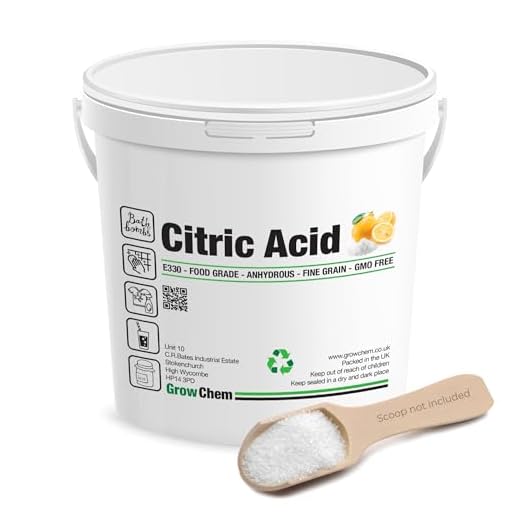
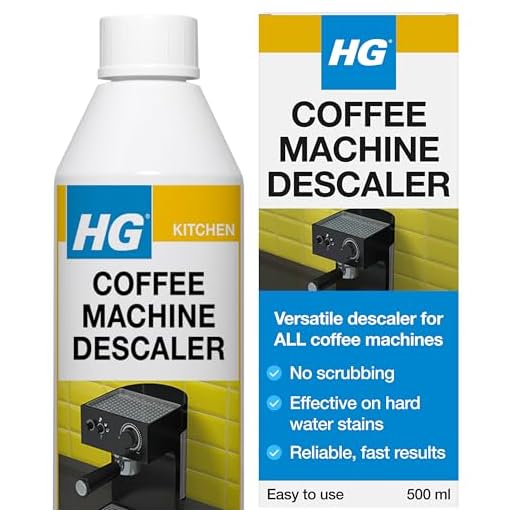
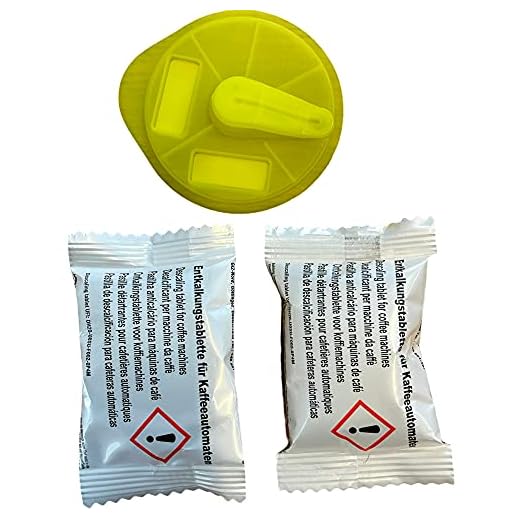
Dissolve powdered descaler exactly per package directions if you use a commercial product. Never pour undiluted concentrated chemicals into the machine.
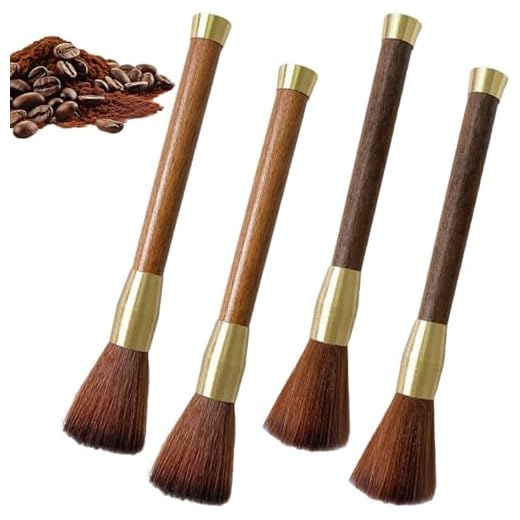
Work in a well-ventilated area, label any leftover solution, and store it safely out of reach. I sometimes swap vinegar for citric acid powder (1–2 tablespoons dissolved in 1 cup water) when I want a milder smell — it descaled my old drip maker with less odor.
Check your machine’s warranty and manual first; use manufacturer-recommended descalers when required.
Step 3 — Run the Descale Cycle
Fill the reservoir with your prepared solution — I use the vinegar mix from Step 2. Start a brew cycle with no coffee grounds or pod; I treat this like a regular brew but with descaler.
Let drip machines run halfway, then pause the cycle and soak for 15–30 minutes so the solution loosens scale on hot plates and tubing — this trick cleared stubborn buildup on my old carafe brewer.
Run one or two brew cycles for single‑serve machines per the manual. Repeat the full process if heavy scale persists. Place a large container under the spout because the solution is acidic, and do not leave the machine unattended; I always watch for leaks.
Use any dedicated descaling mode if your machine has one. Finish by running multiple clear water cycles until no vinegar taste remains.
- Drip: pause halfway; soak 15–30 min
- Single‑serve: 1–2 cycles
- Safety: big container, watch for leaks
Step 4 — Flush and Rinse Thoroughly
Drain the carafe, refill the reservoir with fresh water, and run full brew cycles until the water runs clear and odor‑free. I repeat until no vinegar smell remains.
- Flush cycles: For larger machines run 2–3 full cycles; for compact single‑serve models 1–2 cycles.
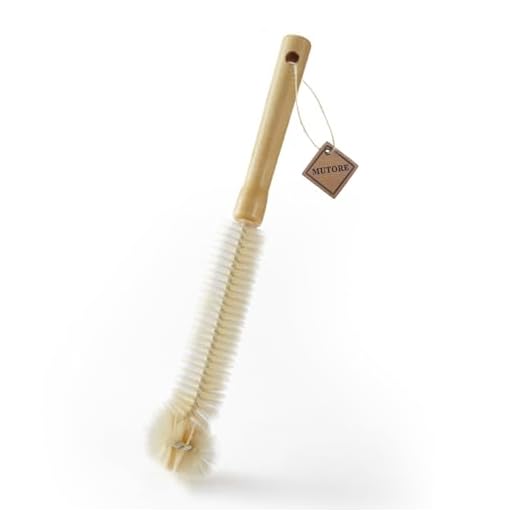
- Wash parts: Remove and wash the carafe, filter basket, and detachable parts with warm soapy water and a soft brush.
Wipe the exterior and heating plate, clearing any drips or mineral flakes. Dry all parts completely before reassembling to prevent mold and ensure the machine is ready to brew. Check seals and gaskets for wear, run a short test brew to confirm normal flow, taste carefully, and log the descaling date on your maintenance record.
Step 5 — Deep Clean Removable Parts
Soak removable components like the filter basket, shower screen, and portafilter (if applicable) in warm water mixed with descaling solution or citric acid for 20–30 minutes — I set a timer so I don’t forget.
Scrub gently with an old toothbrush or soft brush to dislodge deposits without scratching; I once freed a stubborn ring from my shower screen this way. Use a toothpick or soft pipe cleaner to clear tiny holes in internal shower screens.
Avoid metal scouring pads that can damage finishes. Repeat soaking once more for severe buildup or consult the manufacturer if parts look compromised.
Rinse everything thoroughly and dry before reassembly. Wipe the reservoir interior with a soft cloth, replace old in-line filters when needed, and schedule descaling every three months in hard-water areas.
Step 6 — Final Checks and Maintenance Habits
Refill the reservoir with fresh water, reassemble all parts, and run one short brew to verify normal operation and flavor.
Taste the coffee cautiously; if I detect any off flavors I flush again — I once ran two rinse cycles after a faint metallic note and the problem disappeared. Keep a small maintenance log where I jot the descaling date and brief observations (taste, flow, any leaks) so I can predict the next descale.
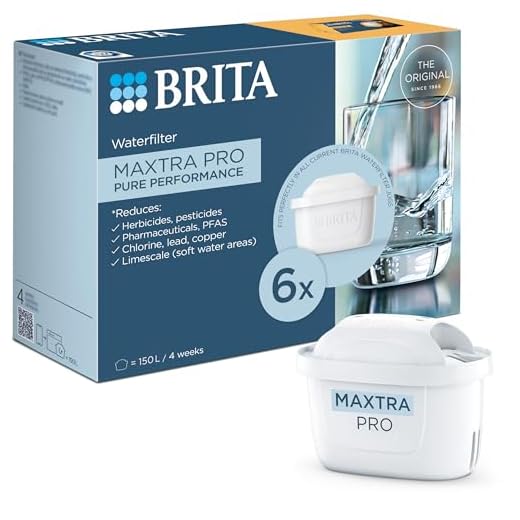
- Use filtered water or a water-softener cartridge in hard-water areas to cut mineral buildup.
- Do a quick rinse monthly (run plain water through).
- Avoid leaving water standing in the reservoir overnight.
- Replace worn gaskets yearly.
- Set calendar reminders so you don’t fall behind on maintenance.
Keep It Simple, Keep It Fresh
Descaling became a quick part of my coffee routine, and my machine brews better than ever. Follow these six steps to save time, avoid repairs, and enjoy fresher coffee—try it today, then share your results; I guarantee noticeable improvement now.


25 comments
Daniel Brooks
Heads up to others: my machine manual specifically warns against vinegar (plastic/tubing concerns). The guide mentions commercial descalers — can admin clarify which is safe? I’m nervous about using stuff that’ll void warranties.
DanCC
Good catch, Daniel. Always check the manual first — if it forbids vinegar, use either citric acid or the manufacturer’s recommended commercial descaler. Look for descalers labeled safe for coffee machines; brands like Urnex or Dezcal are often recommended for prosumer machines, but confirm with your maker. If warranty is a concern, stick to the manufacturer’s product.
Jason Reed
I used Urnex on my mid-range machine with no issues. Follow the dilution instructions exactly and flush well.
Priya Patel
If you’re paranoid, call the brand support — they told me the exact product to use and even sent a PDF guide. Saved me from doing anything stupid.
Olivia Grant
Short and sweet: followed Step 5 and deep cleaned the removable parts — carafe, filter basket, and the little drip tray — and wow, new machine vibes. The drip tray had grounds stuck like it was holding a concert.
Thanks for the ‘keep it simple’ vibe.
DanCC
Love that — those removable parts make the biggest visible difference. Glad Step 5 was helpful!
Emma Hill
Yep, the removable bits are where 90% of the grossness hides. I soak mine in warm soapy water after every other descale.
Priya Patel
I waited so long my scale built a small civilization 😂
Tried your ‘half vinegar, half water’ mix from Step 2 and the machine belched during the descale cycle (it’s dramatic now). Also — pro tip: put a towel under it. I had a mini waterfall lol.
Side note: any advice if you have a water filter in the tank? I popped it out but not sure if I needed to.
Also, typo in my head after all that cleaning: ‘descalation’ is now my new word.
DanCC
Haha, love ‘descalation’ — adding to my vocab. Yes, remove the water filter before descaling (great that you popped it out). Towels = lifesavers. If your machine belched, that’s usually just trapped air/solution — flush per Step 4 until it runs clear.
Marcus Liu
If it burps a lot, run one quick rinse cycle (no coffee) after the descale run to clear any trapped solution.
Emma Hill
Been there with the towel tip — saved my counter from looking like a crime scene. Also, check the manual for filter removal steps, some are delicate.
Olivia Grant
The civlization line made me snort 😂 Good reminder to remove filters — never thought of that until my filter got gunked.
Marcus Liu
Solid guide overall. I have two questions:
1) How often should I descale? The guide’s Step 6 mentions ‘maintenance habits’ but not an exact schedule.
2) I have an espresso machine (not a pod unit). Is the same process safe, or do pro espresso machines need a different approach?
I want to keep things simple but not wreck anything interior.
Daniel Brooks
My semi-pro espresso maker’s manual specifically said ‘no vinegar’ — I used the brand descaler and it worked great. Check the manual!
DanCC
Also — set a recurring calendar reminder after you descale so it becomes a habit. Step 6 is all about small routines that keep the machine happy.
DanCC
Good points. Frequency depends on water hardness: if you have hard water, descale every 1–2 months; with soft/well-filtered water, every 3–6 months. For espresso machines, follow the manufacturer’s manual first — many accept citric acid or branded descalers but avoid straight vinegar on some pros. If in doubt, use a commercial descaler recommended by the brand and do the removable parts deep clean from Step 5.
Priya Patel
If you want lazy-person maintenance: install a water softener/filtered system and you’ll drastically reduce descale frequency. Worth the $$$ if you hate cleaning.
Jason Reed
Agree with manual. For my home espresso I do a gentler citric acid mix every 2 months and a brand descaler yearly.
Emma Hill
OMG this guide saved my cheap drip maker. Did the vinegar mix from Step 2 and ran the descale cycle like it said. Coffee actually tastes like coffee again, not swamp water.
Step-by-step was idiot-proof:
• Prep = done
• Ran the descale twice (old machine)
• Flushed 3 times per Step 4
Little tip: warm the carafe with hot tap water before brewing — seems to help extraction. Will stick to the maintenance habits in Step 6. Thank you!!
Olivia Grant
Nice tip about warming the carafe — hadn’t thought of that. I tried it and my coffee stayed hotter for longer ☕️
DanCC
So glad it worked, Emma! Warming the carafe is a neat trick — helps stabilize brew temp. Appreciate you sharing your flush count; older machines often need that extra pass.
Marcus Liu
Good to hear! If you ever switch to citric acid instead of vinegar, use about 1–2 tbsp per liter — less smell but same effect.
Jason Reed
Quick question: I hate the vinegar smell. Guide mentions citric acid as an option in Step 2 — how much should I use? And do I need to run any extra flushes to get rid of residual taste?
DanCC
Great question. For citric acid, about 1–2 tablespoons per liter of water works well. Run the descale cycle, then flush with 2–3 full tanks of fresh water until no taste/smell remains. If you still smell anything, do one more flush — better safe than funky coffee.
Daniel Brooks
I use citric acid for my machine and flush 3 times. No vinegar scent and zero taste left. Also leaves the internals shiny.