
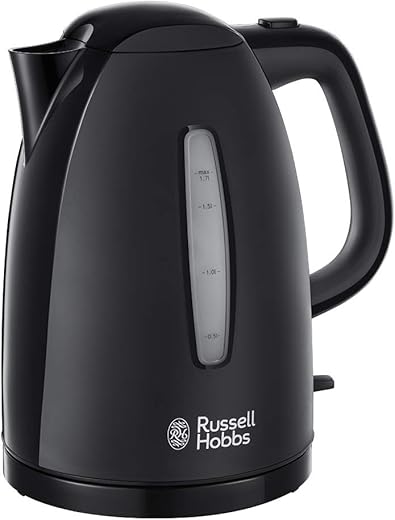
As someone who loves the convenience of an electric kettle, I completely understand the frustration when it starts to lose its efficiency or becomes unsightly. After all, we rely on these little powerhouses for our morning tea or coffee, so keeping them in top shape is essential. In this blog post, I’ll share some practical tips and tricks that I’ve discovered over the years for cleaning and maintaining your electric kettle. By dedicating just a bit of time to its care, you can ensure your kettle remains a reliable companion in your kitchen for years to come. Let’s dive in!


Understanding Your Electric Kettle
Electric kettles have become a staple kitchen appliance for tea lovers and those who enjoy instant meals. With various types and features available, it’s essential to understand what distinguishes each model. Let’s dive into the different types of electric kettles on the market and explore their common features that can enhance your brewing experience.
Types of Electric Kettles
Stainless Steel Kettles
Stainless steel kettles are durable, resistant to rust, and often feature a sleek, modern design. They tend to heat water quickly and maintain temperature well due to excellent heat retention. Here are some popular stainless steel electric kettles:
- Cuisinart CPK-17 PerfecTemp: This model features six preset temperatures for different types of tea and a 30-minute keep-warm function. The lid opens with the push of a button, making it easy to refill.
- Breville BKE820XL: Known for its ergonomic handle and a soft-opening lid, this kettle offers a high-quality stainless steel finish with temperature control ranging from 160°F to 212°F.
Glass Kettles
Glass kettles are visually appealing, allowing users to watch the water as it heats. They can also be easier to clean, as you can see any mineral buildup. However, they can be more fragile than stainless steel. Some popular glass kettle options include:
- Hamilton Beach 40880: With a 1.7-liter capacity and a blue LED light to indicate when water is boiling, this kettle is budget-friendly and functional. It also features an auto shut-off mechanism.
- Cuisinart CPK-17: This versatile kettle, although primarily stainless steel, has a glass water window, allowing you to monitor water levels easily. It combines durability with aesthetic appeal.
Plastic Kettles
Plastic kettles are lightweight and usually the most affordable option. While they may not maintain heat as well as metal or glass kettles, they are often designed with user-friendly features. Take a look at these popular plastic kettles:
- Presto 02970: This kettle is compact, boasts a 1.7-liter capacity, and is perfect for anyone who travels. It comes with a built-in safety feature that automatically shuts the kettle off when the water boils.
- Black+Decker KE1500B: With a 1.7-liter capacity and rapid-boil technology, this kettle heats water quickly. It also features an auto shut-off mechanism ensuring safety.
Common Features of Electric Kettles
Auto Shut-Off
A crucial safety feature, an auto shut-off ensures that the kettle turns off once the water has boiled. This helps prevent the kettle from overheating or boiling dry. Most modern kettles, including the Hamilton Beach 40880 and Cuisinart CPK-17, come equipped with this feature.
Temperature Control
Temperature control allows you to set the boiling point based on the type of beverage you are preparing. Different teas, for instance, require different brewing temperatures. Kettles like the Breville BKE820XL and Cuisinart CPK-17 offer precise temperature settings, which significantly enhance the flavor profile of the tea or coffee brewed.
Keep-Warm Function
The keep-warm feature maintains the water at a specific temperature for an extended period. This is especially useful for those who enjoy multiple cups of tea or coffee throughout the day. The Breville BKE820XL boasts a keep-warm function, as does the Cuisinart CPK-17.
Cleaning and Maintenance
When choosing an electric kettle, consider how easy it is to clean and maintain. Each type of kettle may require different care:
- Stainless Steel: Quick to clean, metal kettles usually just need a simple wipe-down with a damp cloth. In cases of mineral buildup, a vinegar and water solution can help clean tough spots.
- Glass: Glass kettles can be cleaned inside with a mixture of vinegar and water and are often dishwasher safe. Just be cautious with sudden temperature changes to avoid breaking.
- Plastic: While often easier to handle, plastic kettles may discolor over time or absorb odors. Regular cleaning with warm soapy water can prevent this.
Comparison of Important Features
| Feature | Stainless Steel | Glass | Plastic |
|---|---|---|---|
| Durability | High | Moderate | Low |
| Heat Retention | Excellent | Moderate | Poor |
| Visible Water Level | Moderate (window) | High | Moderate |
| Price Range | Moderate to High | Moderate | Low to Moderate |
| Safety Features | Auto shut-off standard | Auto shut-off standard | Less standard |
Regardless of your choice, investing time in understanding the type of electric kettle that best suits your lifestyle and needs will enhance your culinary adventures.
Regular Cleaning Practices
Keeping your electric kettle clean not only enhances its performance but also prolongs its lifespan. Here, we’ll delve into daily and weekly cleaning routines, as well as the importance of descaling to combat mineral buildup. With these best practices, your kettle will always be ready for that perfect cup of tea or coffee.
Daily Cleaning Routine
A simple daily cleaning routine can keep your kettle in optimal condition. Here are the essential steps to follow after each use:
Rinse with Water
After every use, it’s important to rinse out the kettle with hot water. This not only removes any food particles but also prevents any lingering odors.
- How to do it:
- Unplug the kettle and pour out any remaining water.
- Quickly swish some clean, hot water around inside, then pour it out.
Wipe the Exterior
The exterior of your kettle deserves some attention, too. Using a damp cloth, gently wipe down the surface to remove fingerprints or stains.
- Tip: For stubborn spots, a small amount of mild dish soap can be used.
Check the Interior
Periodically, you should check the inside of your kettle for any food particles or residue.
- Practical Example: If you’re using a kettle like the Breville BKE820XL, ensure that you check the stainless-steel interior which can sometimes collect tea leaves or coffee grounds if you pour directly in without using a separate teapot.
Weekly Cleaning Routine
While daily cleaning is crucial, a more thorough weekly cleaning will keep your kettle in excellent shape.
Deep Clean with Vinegar or Citric Acid
Every week, consider performing a deep cleaning using natural descaling agents such as white vinegar or citric acid.
- How to do it:
- Fill the kettle halfway with a solution of equal parts water and white vinegar (or use 1-2 teaspoons of citric acid in water).
- Bring the solution to a boil, then turn off the kettle and let it sit for about 30 minutes.
- Pour out the solution, and rinse the kettle thoroughly with fresh water to remove any residual taste.
Clean the Lid and Spout
Don’t overlook the lid and spout which can harbor germs and residue.
- How to do it:
- Use a soft brush to scrub these areas gently. A toothbrush can be an excellent tool for this job, making it easy to reach into nooks and crannies.
Importance of Descaling
Over time, mineral deposits from hard water can build up inside your kettle, affecting both performance and taste. Descaling is essential for maintaining your kettle’s efficiency.
How Often to Descape
The frequency of descaling depends on the hardness of your water and your usage levels:
- Soft Water: Every 2-3 months
- Moderate Water: Monthly
- Hard Water: Every 2-4 weeks
Recommended Products for Descaling
Here are a few products that can help maintain your kettle:
| Product Name | Description | Best For |
|---|---|---|
| Lime-A-Way | Powerful descaling agent that tackles tough buildup. | Hard water areas |
| Durgol Swiss Espresso | Fast-acting descaler specifically designed for kettles. | Regular users |
| Citric Acid | A natural and eco-friendly option. Just mix with water! | Mild descaling needs |
Practical Example: If you own a Hamilton Beach 40880, using Durgol Swiss Espresso is ideal as it is safe for electric kettles and works efficiently to remove limescale.
Maintaining Water Quality
Lastly, consider the water you use in your kettle. Filtered water can significantly reduce the buildup of minerals, leading to less frequent descaling.
- Tip: Brands like Brita and PUR offer excellent water filter pitchers that can improve the taste of your water and protect your kettle from scaling.
By implementing these regular cleaning practices, you’ll not only maintain the aesthetics of your trusted electric kettle but also ensure that it functions at its best, delivering exceptional flavor for every cup.
Essential Tips for Prolonging Your Kettle’s Life
In summary, taking the time to clean and maintain your electric kettle is essential for maximizing its lifespan and performance. By implementing the cleaning techniques and maintenance tips I’ve shared, you’ll not only enjoy your kettle for years to come but also ensure a better brewing experience. I encourage you to establish a regular cleaning routine and stay mindful of how you use your kettle. With a little care, your trusty kitchen companion will serve you well for many delightful cups of tea or coffee ahead!
18 comments
Ace
I use a Breville BKE820XL and it’s been a champ! I’ve only had to clean it a couple of times, but I use filtered water. Anyone else have tips for keeping it in shape?
wpx_
Awesome to hear you love your Breville! Using filtered water definitely helps. Regularly emptying and rinsing after each use can go a long way too. Thanks for sharing your experience!
Blaze
Great question! It’s generally recommended to descale every 1-3 months, depending on your water hardness. If you notice any scale build-up, it might be a sign to do it sooner. Thanks for reading!
Tatum
Hey, can you give more details on how often we should be descaling our kettles? I’m worried about build-up since I live in a hard water area.
Piper
Anyone tried the Hamilton Beach 40880? I heard it’s easy to clean, but I’m skeptical. Would love more reviews!
wpx_
I haven’t tried it personally, but I’ve heard good things about it too! Maybe some other readers can share their experiences? Thanks for joining the conversation!
Sky
What about safety? I worry about the kettle overheating when I leave it plugged in. Are there any safety features I should look for?
wpx_
Great point! Look for kettles with automatic shut-off and boil-dry protection features. They help prevent overheating. Thanks for raising this important topic!
Ryder
One pain point I have is that I always forget to unplug my kettle after use. I’m worried it’ll burn out or something. Anyone else deal with this?
wpx_
You’re not alone! It’s a common concern. Setting a reminder on your phone might help, or getting a kettle with an automatic shut-off feature can ease those worries. Thanks for bringing it up!
Finn
I’d love to see an article on the best kettles for camping! Any chance you could write about that next?
wpx_
That’s a fantastic idea! I’ll definitely consider it for future content. Thanks for the suggestion!
Nova
What’s the best way to clean the spout? I notice mine gets a little funky sometimes.
wpx_
Good catch! A simple mixture of warm water and baking soda can help. Just soak a cloth in it and wipe the spout gently. Thanks for your question!
Lexi
Could you expand more on the types of descaling solutions to use? I’ve heard mixed things about vinegar vs. commercial products.
wpx_
Absolutely! Vinegar is a popular natural option, but it can leave a smell. Commercial descalers are often more effective and don’t leave any odor. It really depends on your preference. Thanks for the question!
Dax
I once let my kettle boil dry, and it was a disaster. Anyone else had that experience? How do you avoid it?
wpx_
Oh no, that’s rough! I set a timer on my phone when boiling water now so it doesn’t slip my mind. It’s a great way to avoid that disaster. Thanks for sharing your story!