

Why Replacing Blender Blades Yourself Saves Time (and Money)
I will walk you through a safe, step-by-step blade replacement so you avoid service fees and keep your blender performing like new. This practical, cautious guide shares hands-on tips and clear instructions to get the job done confidently and safely.
What you’ll need
I’ll bring:
- Replacement blade assembly (model-specific)
- Screwdriver or wrench
- Rubber jar gripper or glove
- Towel
- Small brush, dish soap
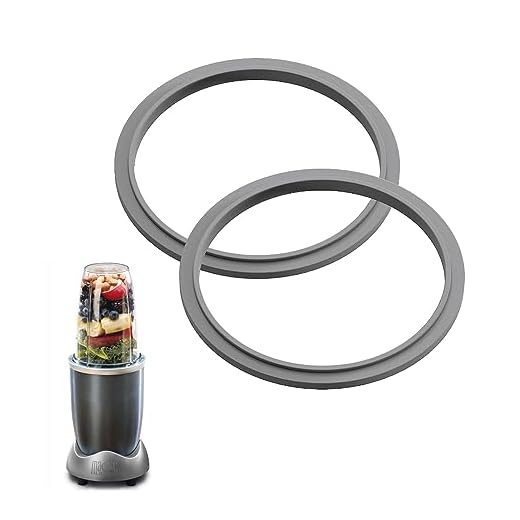
- Replacement gasket/O-ring
- Owner’s manual
- Basic hand-tool comfort
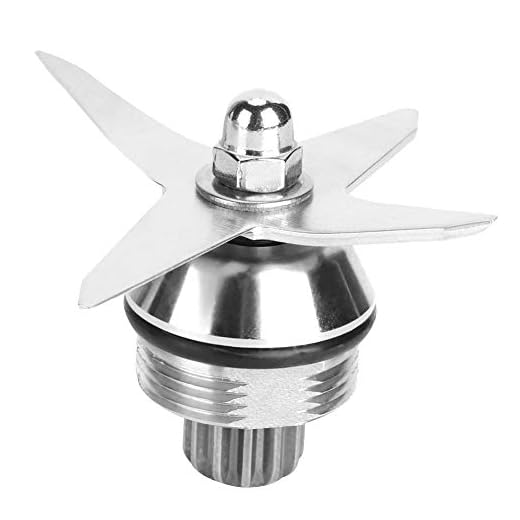
Safety First: Power Down and Disassemble
Unplug the blender and remove the jar from the base. Empty and rinse any contents, and let hot liquids cool before you touch the blade area.
Place a towel on the counter to prevent slipping and put on cut-resistant gloves or use a rubber gripper for traction. I always do this — once, a slippery smoothie almost sent the jar flying.
Consult your owner’s manual for model-specific disassembly—some jars twist off, others use locking tabs. Remove the jar, lid, and any pitcher inserts so you can access the blade assembly at the jar base.
Keep screws and small parts in a container so nothing gets lost. For example, I use a small bowl for screws and a labeled sticky note for where they belong; it saves time when reassembling.

Remove the Old Blade Assembly
Place the jar on a towel to steady it. Keep a small bowl nearby for screws and parts; I use one every time so nothing disappears.
Grip the blade assembly using a jar gripper or a thick cut-resistant glove and turn counterclockwise—apply steady, even pressure.
Use a strap wrench or wrap the base in a rubber mat and tap gently with a rubber mallet to loosen seized assemblies.
Remove retaining screws with the correct driver for screw-mounted units.
Watch for hidden clips or a retaining ring that may need prying or unthreading.
Lift the blade unit straight out, noting the exact position and order of gaskets and washers so you can reinstall them correctly.
Inspect the jar mouth and threads for cracks, shredded gasket material, or metal shavings.
Clean the area thoroughly with a small brush and warm, soapy water before proceeding.
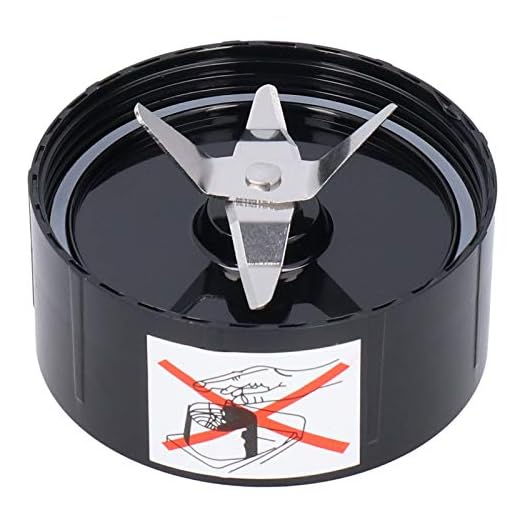
Install the New Blades Correctly
I lay out the new assembly and compare it to the old one to confirm parts and orientation. I always replace the gasket or O-ring with the new one provided—never reuse an old seal.
- Replace the gasket: Lightly fit the new gasket/O-ring into its groove and, if the manufacturer recommends it, coat it with a thin smear of food‑grade silicone (example: a pea‑sized dab worked around the O‑ring) to help it seat evenly.
- Insert the blade assembly: Align any tabs or notches and insert the blade unit straight down—press evenly and avoid tilting.
- Thread the retaining ring: Hand‑thread the retaining ring or screws until snug; avoid overtightening. If your model specifies a torque, set a torque wrench and follow that value.
- Spin the blades: Rotate the blades by hand to confirm they spin freely and do not contact the jar base.
- Wipe away fingerprints and debris.
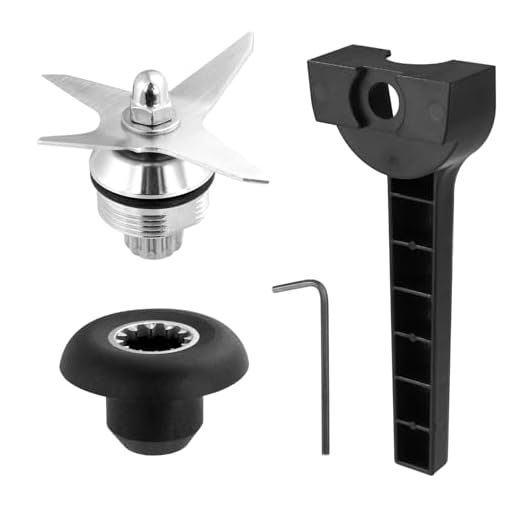
Reassemble, Test, and Troubleshoot
Reattach the jar and lid; I then set the blender on the base and plug it in. Run a first test on low with a cup of water to check for leaks and listen for unusual noises — I use a clear glass so I can see any drips.
Power off and unplug if you see leaking; I reseat the gasket and retighten the retaining ring by hand. Stop immediately if you hear wobble or grinding — I power off, remove the jar, and inspect blade alignment and for bent blades. Confirm the motor coupling on the base is intact and free of cracks.
- Replace the motor coupling if it’s worn or cracked; I contact a professional if the noise persists or if internal motor damage is suspected.
Finish with a short cleaning cycle (warm water + a drop of dish soap); I rinse thoroughly and dry every part. I document the blade replacement date for future maintenance.
You’re Done — Keep Your Blender Sharp and Safe
I’ve guided you through safe removal, installation, and testing; perform routine checks, ensure proper seals, dispose of old blades safely, and note the replacement date to keep your blender reliable?

32 comments
Owen Gallagher
Funny story: I tried to install the new blades without unplugging. I know, dumb. Electric shock lesson learned and a small scorch on my thumb (no permanent damage). Now I always double-check the power. Guide is spot on about safety — but maybe add a bold reminder: unplug and remove the jar if possible. Extra paranoid? Good. 😉
James Li
Yikes. Same here once — now I toss the plug in a different room when working on appliances, haha.
Carlos Romero
Also remove any detachable bowls/attachments — even leftover power can spin them if the motor kicks. Better safe.
DanCC
Ouch — glad you’re okay. We appreciate the emphatic reminder, Owen. We’ll make the safety step even more prominent.
Maya Thompson
Good call, sometimes I leave the plug out on the counter as a visual cue to unplugged-ness.
James Li
Nice write-up. One caveat: some blenders have reverse-thread locking nuts — check the manual before you force it. I blew an afternoon trying to unscrew a left-hand thread… doh. Also, label where each piece goes if you’re disassembling multiple parts. Saved me a headache on reassembly.
Maya Thompson
Oof left-hand threads are sneaky. Thanks for the heads up, James.
DanCC
Excellent point about left-hand threads — not all models use standard threading. Labeling parts is a great organizational tip, thanks!
Maya Thompson
This guide was super clear — saved me a trip to the repair shop. I followed the “Safety First” steps and unplugged the unit before anything else. One tip I’d add: put a rubber jar opener under the blade assembly when loosening it so it doesn’t slip. Worked like a charm. Thanks! 😊
DanCC
Great tip, Maya — love the rubber jar opener trick. We’ll add that to the guide as an optional step. Glad it saved you a trip!
James Li
Nice — I always forget to stabilize the base. Trying this next weekend.
Carlos Romero
Do you mean put the rubber thing under the jar or under the blender base? Just want to be sure before I try it.
Carlos Romero
I think the guide could add photos of the blade orientation. I replaced mine but wasn’t 100% sure the new blade face was supposed to be up or down. Ended up doing it twice. Also, small rant: packaging doesn’t always tell you which gasket to use 😅
Priya Patel
If in doubt, take a clear photo of the old assembly before removing it. Saved me from guessing twice.
Ben
Agreed about packaging. Some sellers send spare gaskets without clarifying size. Measure carefully before installing.
DanCC
Good feedback, Carlos — adding orientation photos is on the to-do list. We’ll clarify which gasket goes where in the next update.
Priya Patel
Totally worth doing yourself if you’re a little handy. My only nitpick: the troubleshooting section could mention what sounds mean. Like a metallic rattle vs humming — they’re different problems. Otherwise, loved the step-by-step tone. Made me feel like I could actually do it without frying anything 😅
Elaine Rivers
Yes! The sound is everything. Humming usually meant motor load for me, rattling was loose bits.
DanCC
Great suggestion — adding an audio/diagnostic guide (rattle vs hum vs slip) would help people identify issues faster. Thanks!
Owen Gallagher
Metallic rattle = loose screws or gasket, hum = motor struggling or jam. Glad you brought this up.
Elaine Rivers
Okay, this is a longer one — worked through the whole process and hit a snag during reassembly.
1) Unplugged and took everything apart — easy.
2) Blade assembly was corroded, so I soaked it in vinegar first (loosened things up).
3) New blades installed, followed your alignment marks.
4) Upon testing, there’s a weird wobble — slight vibration at medium speed only.
5) Anyone else seen this? I double-checked the gasket seating but maybe I missed something.
I’m thinking either the new unit is slightly warped or the jar lip isn’t seated right. Any troubleshooting ideas?
Owen Gallagher
I had the same issue — it was the rubber gasket not sitting flat. Pop it out, clean both mating surfaces, then press it back evenly. Solved the wobble for me.
Sophie Martin
Could also be the upper coupling (the little plastic piece that connects to the motor). Mine was cracked and only wobbled at mid speeds. Took a close look under good light and found the crack.
DanCC
Thanks for the detailed breakdown, Elaine. Wobble at just one speed often points to seating or the drive coupling. Try: a) re-seat the jar and tighten hand-tight only, then test; b) check the drive coupling for wear/debris; c) if possible swap jars (if you have a spare) to isolate whether it’s the jar or base. If it persists, the replacement blade might be slightly off — contact the seller for exchange.
Carlos Romero
Vinegar soak was a smart move. Did you rinse thoroughly after? Residue can sometimes affect seating — maybe flush with hot water and a tiny dish soap, then dry fully.
Sophie Martin
Thanks for the thorough guide — I’m not super handy but followed the steps. Quick Q: after replacing I noticed slightly reduced blending efficiency. Is it normal for new blades to need a few cycles to ‘bed in’? Or should they be just as powerful right away? Anyone tested this?
P.S. Loved the troubleshooting flowchart. Helped me rule out obvious things fast.
DanCC
Most new blades should work at full efficiency immediately. Reduced performance could be due to gasket alignment, drive coupling fit, or the new blade’s pitch being different from the old one. If you still see reduced power after checking seating and couplings, consider contacting the blade manufacturer for specs.
Ben
I had that once — turned out the new blade set was a narrow-profile replacement meant for smoothies, not ice crushing. Make sure the replacement matches your blender’s intended use.
Priya Patel
Also check the motor base vents — if clogged by dust, airflow is reduced and performance dips. Cleaned mine and got full power back.
Ben
Short and sweet: the torque on those blades is no joke. I actually used a strap wrench to take off the old assembly — much safer than brute force. Pro tip: wear cut-resistant gloves when you handle the blade itself. Trust me, my fingers thank me.
DanCC
Yes, strap wrenches are underrated — good recommendation. And agreed on cut-resistant gloves, we mention PPE but it’s worth stressing.
Priya Patel
Cut gloves are a life-saver. Got them for kitchen prep and they work perfectly for this.